
From direct impact
to systems change.
For more than twelve years, I have designed programs, partnerships and public narratives that expand opportunity, protect dignity and help people make safer, more informed choices — from community initiatives and national campaigns to regional UNESCO programs across Central Asia.
UNESCO resources: approximately US$300K in regular-program budgets managed across three biennia, plus US$50K in additional funding secured.
Where It Started
My commitment to social impact began long before it became my profession. While studying Politics at the University of Greenwich, I worked directly with children, women and families whose choices were constrained by poverty, illness or unequal access to support. These experiences taught me that dignity begins with being seen, heard and given a real opportunity to act.
01.01Volunteer Teaching in Ubud Village, Bali
Expanding access to education for children from low-income rural families
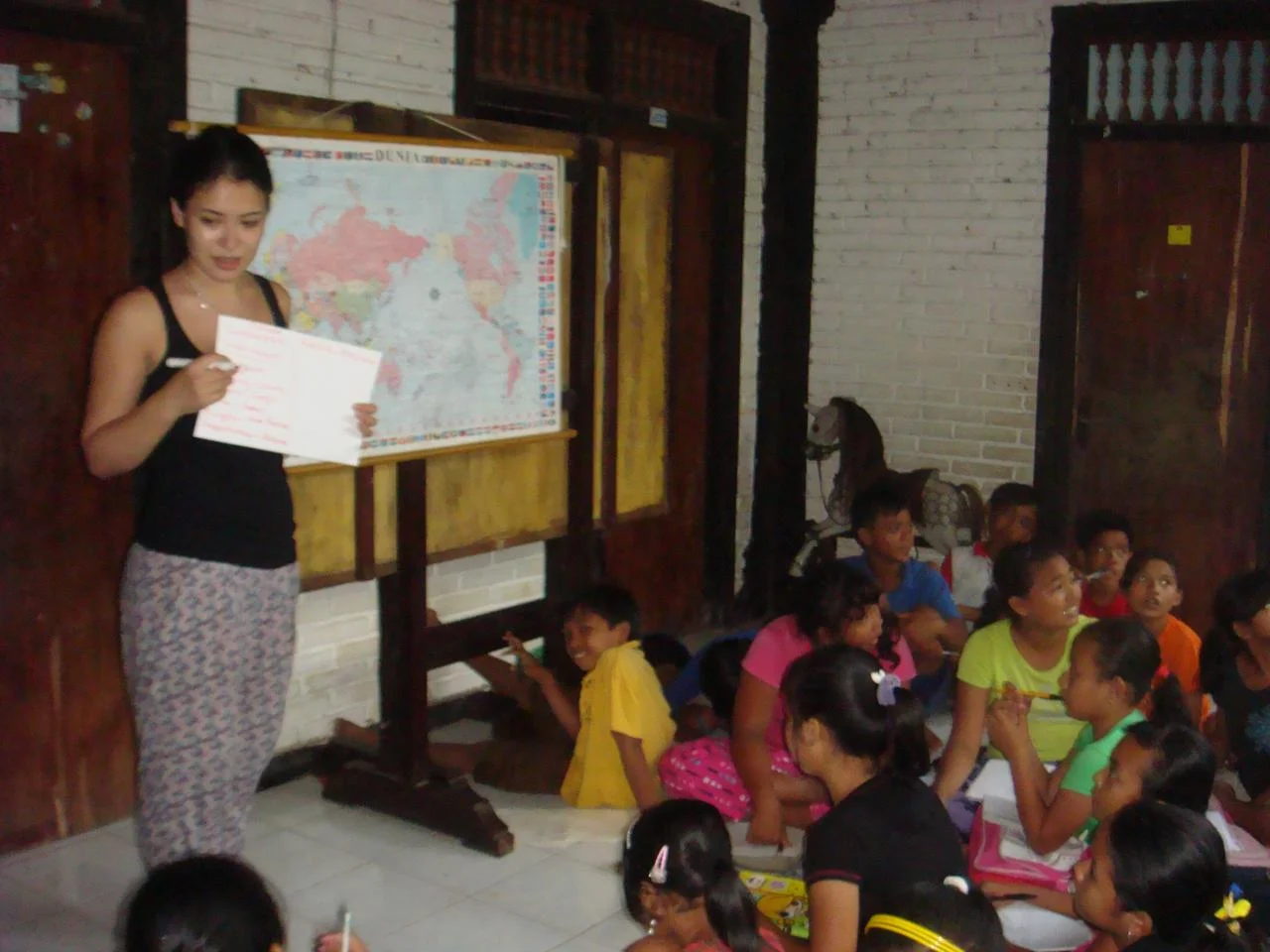
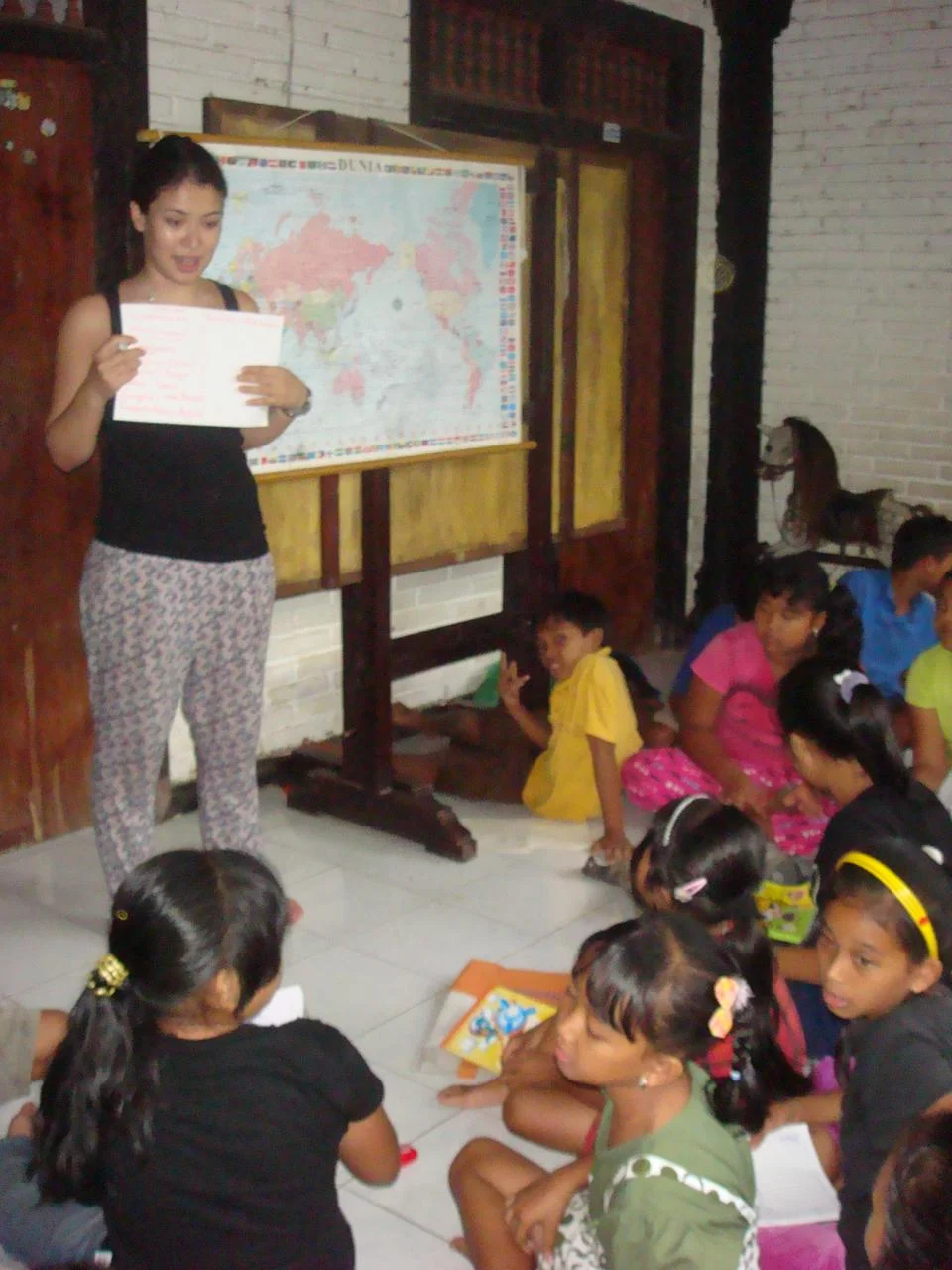
In 2010, through the international volunteer organization i-to-i, I joined a community learning centre in Ubud Village, Bali, which provided free educational support to children from low-income rural families.
As a volunteer teacher, I introduced history and geography through interactive lessons designed to make learning engaging, participatory and relevant. The experience strengthened my ability to communicate across cultures, build trust with children and adapt content to different levels of confidence and prior access to education.
It was an early lesson in a principle that has remained central to my work: access matters, but people also need an environment in which they feel safe enough to participate, ask questions and develop agency.
My role: Volunteer teacher
Focus: Educational access, low-income rural families, cross-cultural communication


01.02Healthy Asia Foundation
Turning a family experience into public awareness and practical support
After my mother, Nagima Plokhikh, recovered from breast cancer and founded the Healthy Asia Public Foundation, I supported fundraising and awareness initiatives while completing my studies in the United Kingdom.
I helped develop public campaigns encouraging early screening, mobilized partners and supported fundraising for women affected by breast cancer. In 2010, I helped organize a breast-cancer awareness campaign with Almaty Zharnama featuring male celebrities, influencers and media figures. The campaign used city billboards to encourage women to undergo annual breast screening and remained visible for approximately three years.
I was also invited to Georgia in connection with then First Lady Sandra Roelofs' initiatives to share practical fundraising knowledge with volunteers.
My role: Volunteer fundraiser and communications organizer
Focus: Prevention, screening awareness, partnerships, volunteer capacity
01.03Pink Ribbon Charity Ball
Mobilizing philanthropy around women's recovery after mastectomy
In 2013, following the opening of The Ritz-Carlton, Almaty, I helped organize one of the city's first Pink Ribbon Charity Balls. The event raised funds to provide women who had undergone mastectomy with specialized lingerie and prostheses free of charge.
The initiative combined high-level partnerships, public storytelling and fundraising around a subject that was still rarely discussed openly. It showed me how a carefully designed public event can turn visibility into concrete support.
My role: Co-organizer and fundraiser
Focus: Women's health, dignity after treatment, donor engagement
01.04Children's Hospice “I Am With You”
Building sustained support for children with life-limiting illnesses and their families
When my mother founded the children's hospice “I Am With You” in 2011, I became a co-founder and led volunteer fundraising and communications activities. I worked with public figures, media outlets, artists and donors to raise awareness of pediatric oncology and palliative care in Kazakhstan.
I organized charitable art auctions, New Year charity balls and fundraising initiatives supporting treatment, care and family needs. I also arranged therapeutic sessions for parents, inviting psychologists and other specialists to help families adapt to the emotional realities of a child's illness.
I remain a trustee of the hospice and continue to support its mission.
My role: Co-founder, fundraiser and communications lead; current trustee
Focus: Pediatric palliative care, family support, public awareness
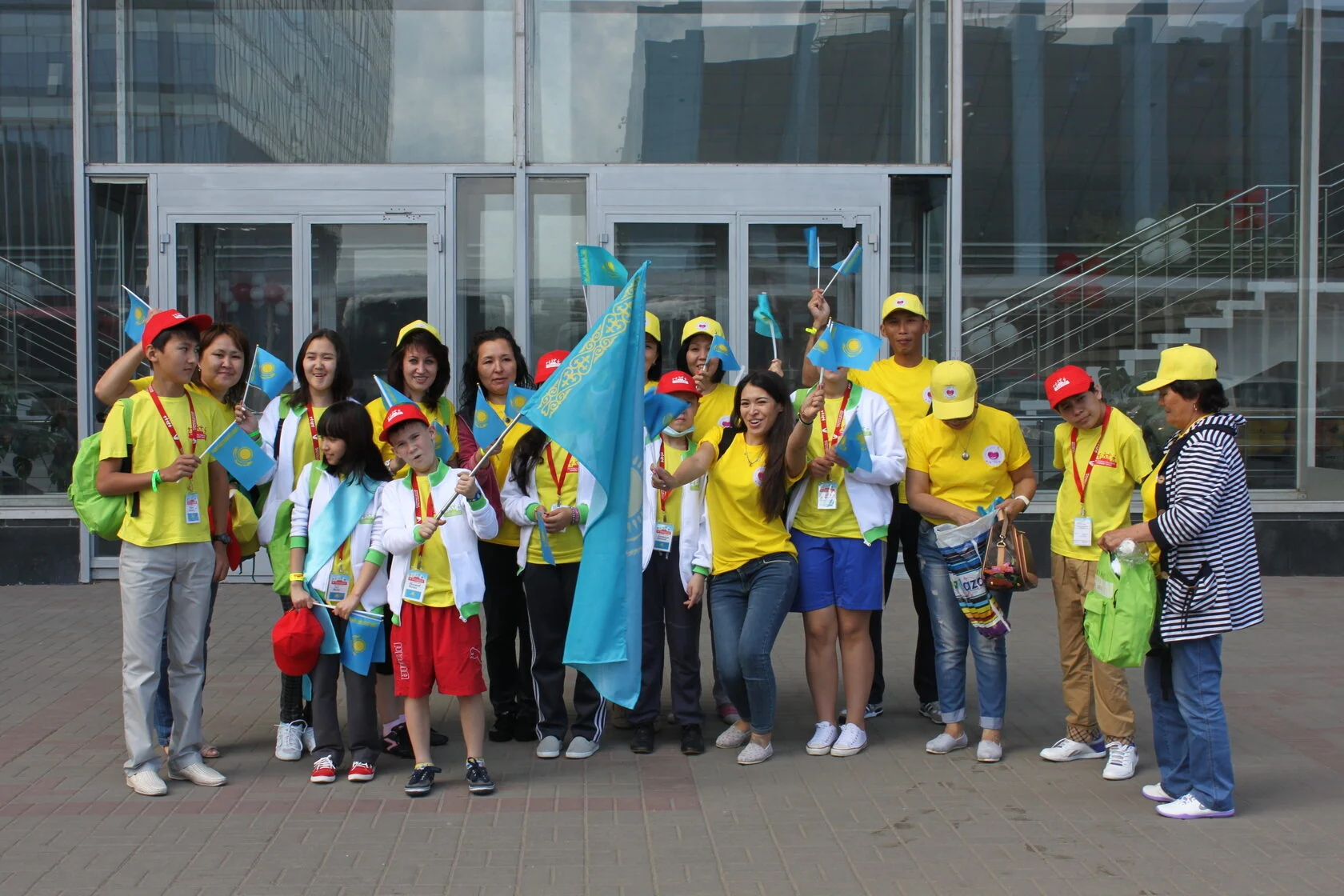
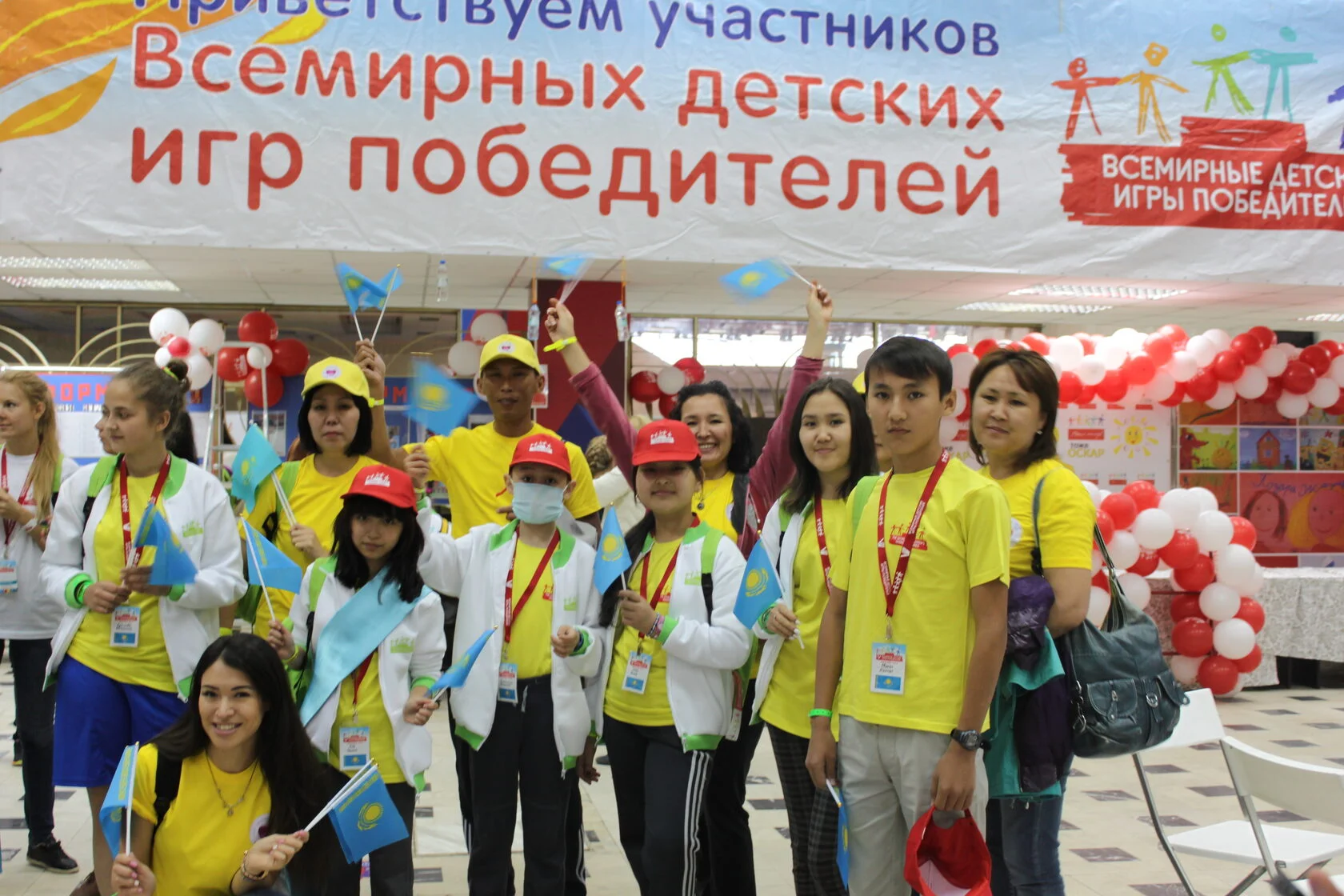
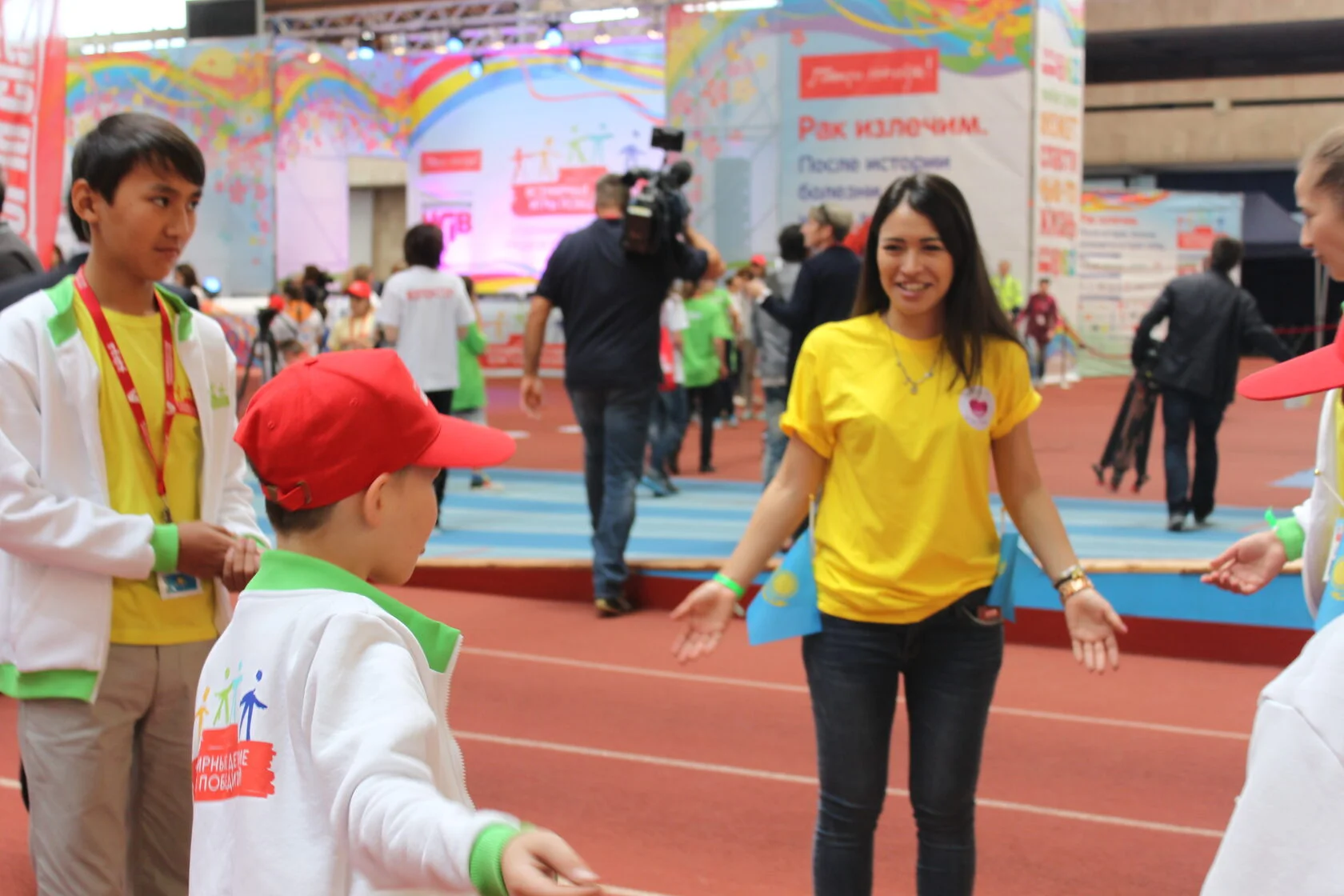
This period taught me to begin with people's lived realities. It also showed me that social impact requires more than compassion: it needs clear communication, trusted partnerships and the ability to transform concern into organized action.
Communication as a Tool for Impact
After completing a Master's degree in Sociology at the Russian State Social University, I joined KTZ Express and later its subsidiary Khorgos Gateway. Here I learned to use strategic communications not only to build reputation, but also to connect infrastructure development with local opportunity and international cooperation.
02.01International Positioning of Khorgos Gateway
Building global understanding of a new logistics hub
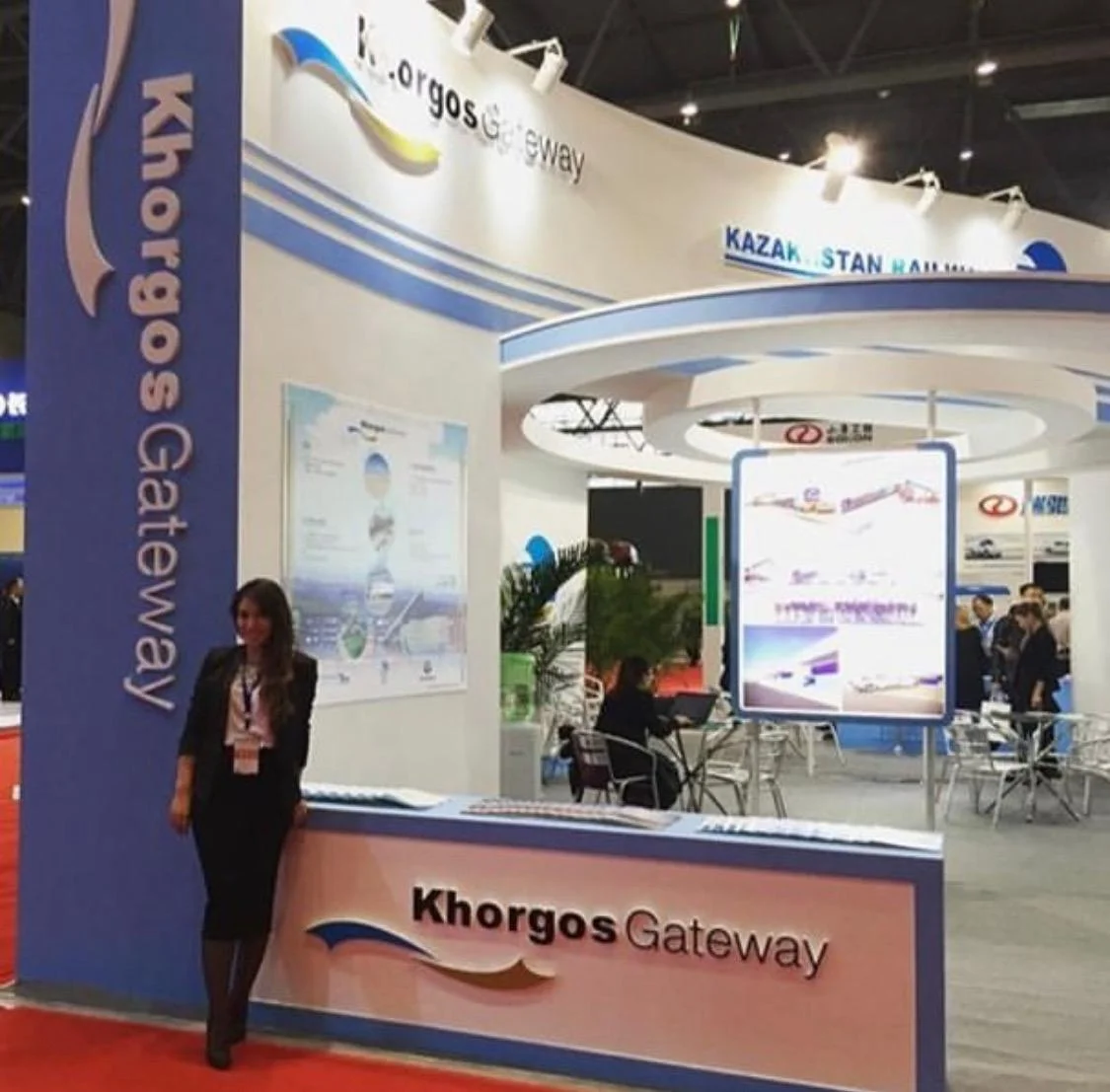
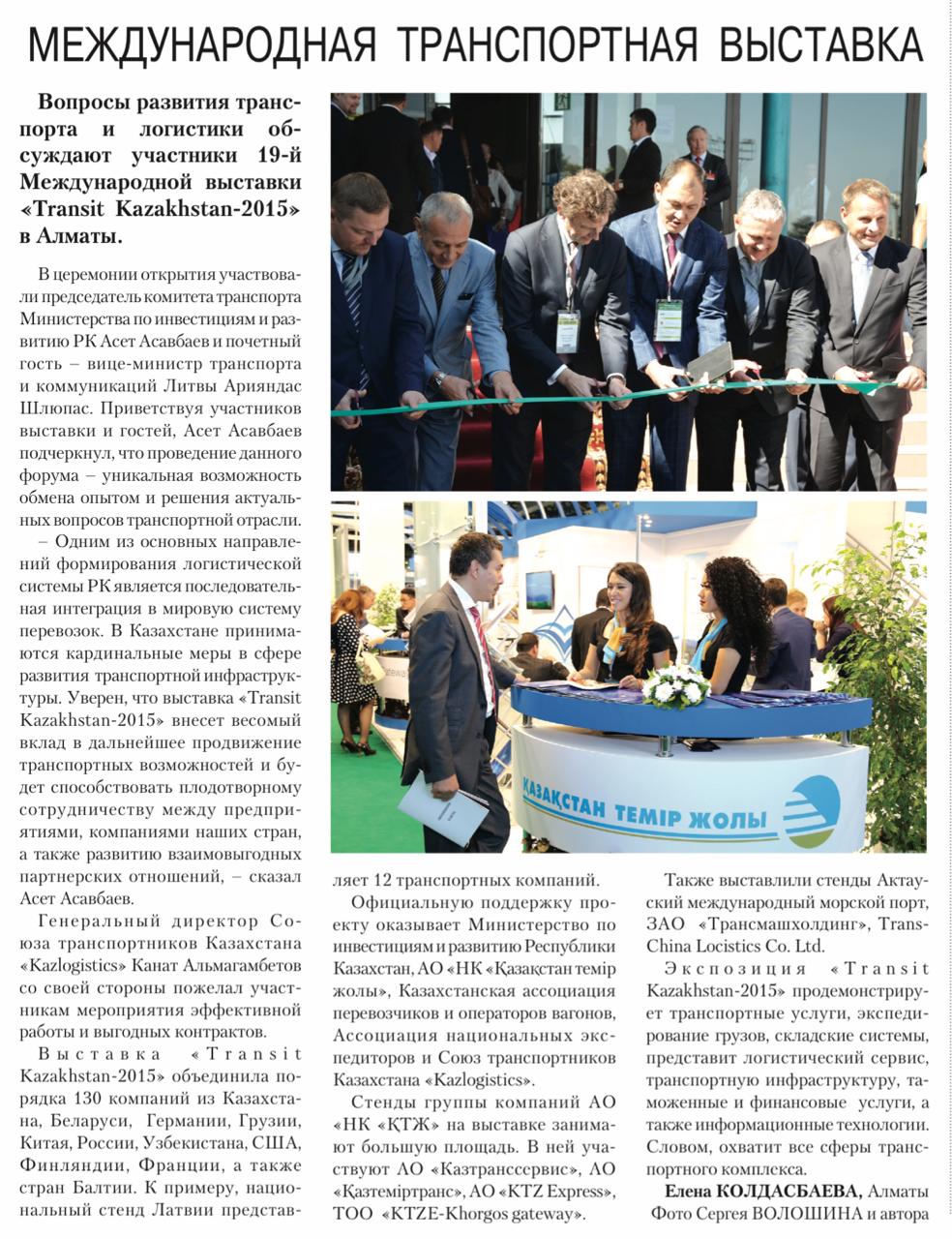
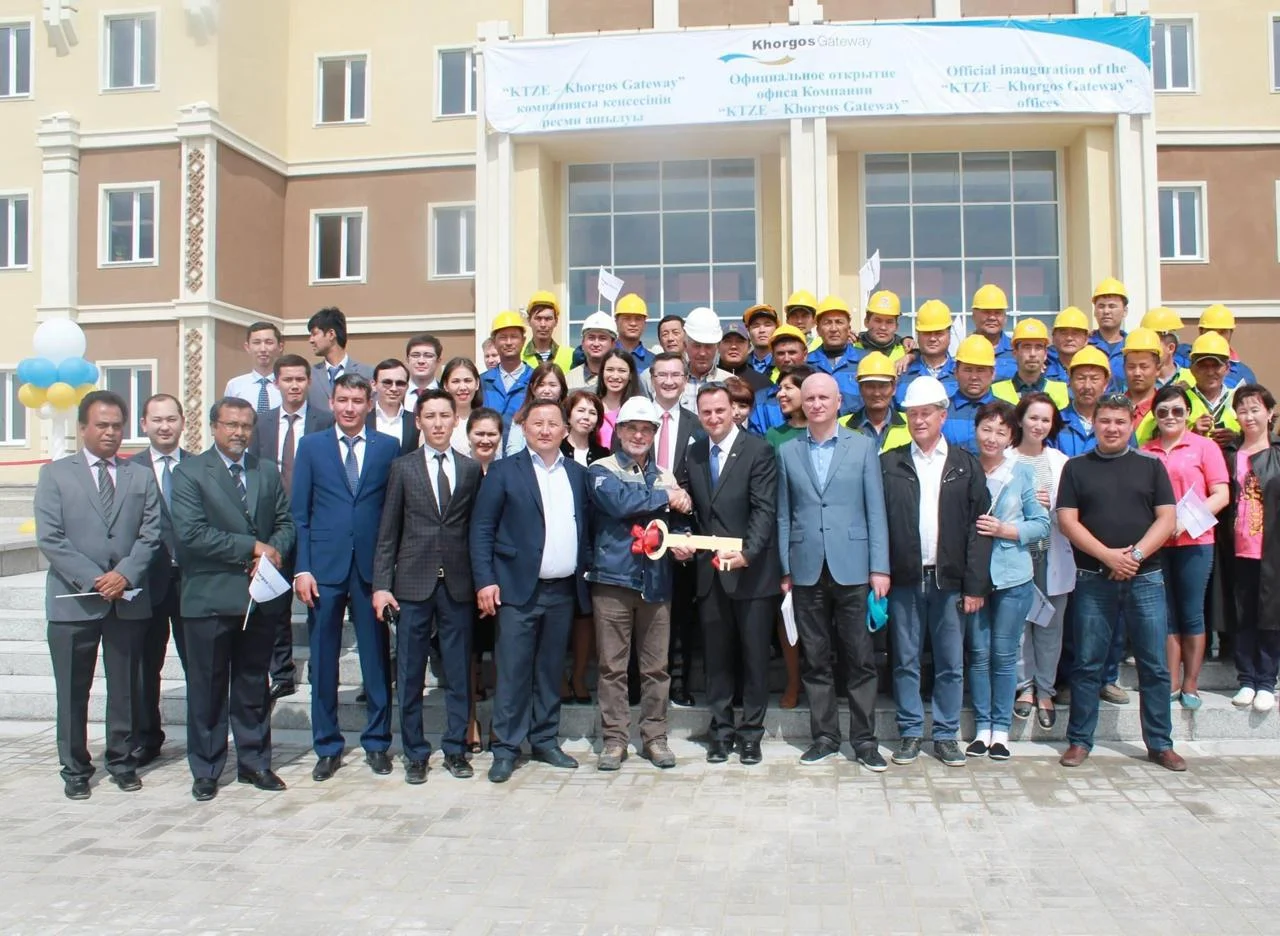
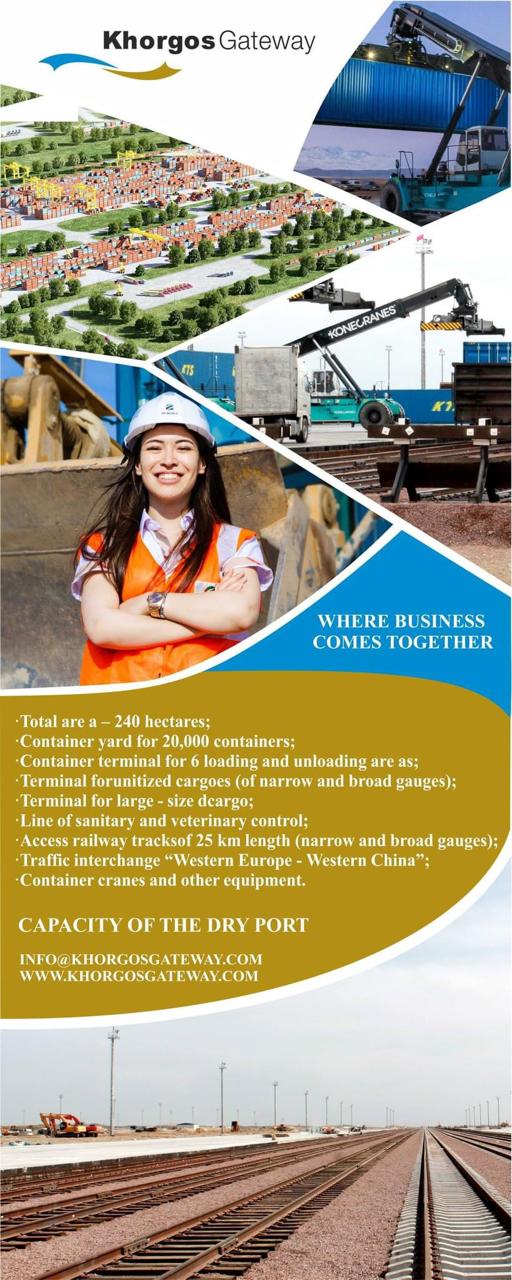
As Head of PR and Communications, I led the international promotion of the Khorgos Gateway dry port and the Special Economic Zone “Khorgos — Eastern Gate.” I worked with international media including Xinhua, South China Morning Post, CNN and BBC, organized press tours and translated a complex infrastructure story into narratives relevant to international audiences.
I also represented and promoted the organization's services at international exhibitions and supported high-level meetings and events involving senior representatives of Kazakhstan and China.
My role: Head of PR and Communications
Focus: International media, reputation, executive communications, exhibitions
02.02First Diplomatic Tour
Creating confidence through direct stakeholder engagement
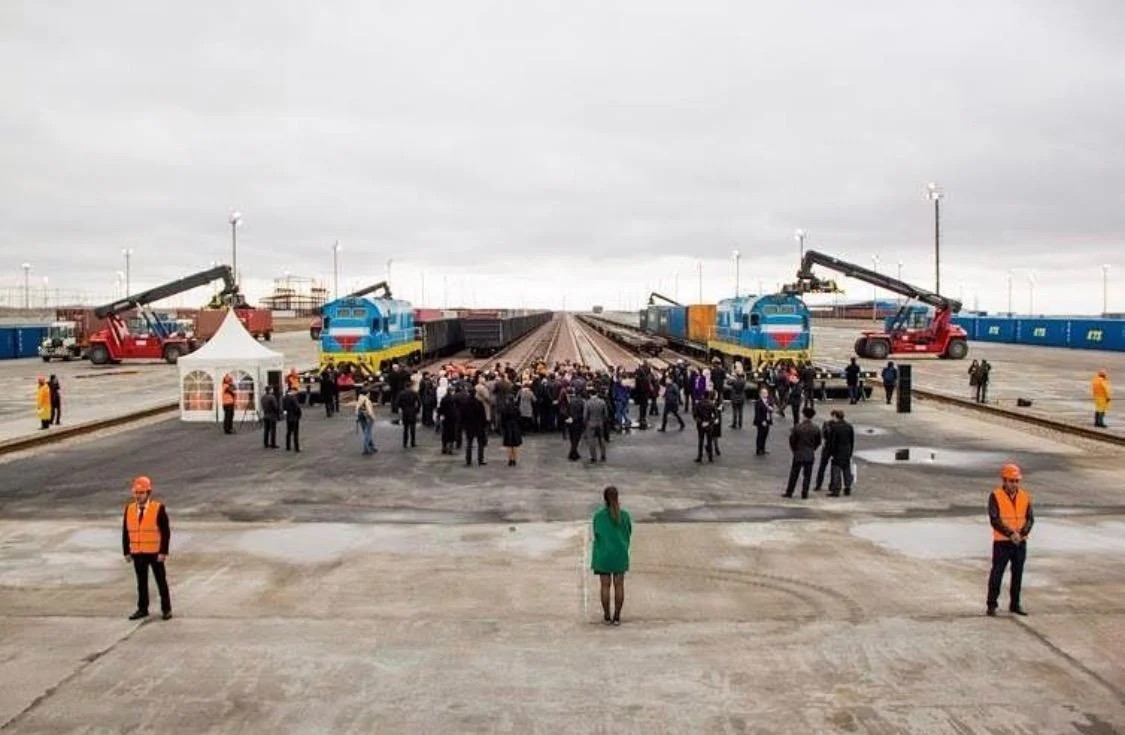
I organized the first diplomatic tour of Khorgos Gateway, bringing together 42 diplomats from different countries. The visit gave international stakeholders direct access to the project, its leadership and its strategic potential.
The case strengthened my ability to coordinate complex, high-level events across institutions, cultures and protocols — a capability I later brought into regional UN programming.
My role: Lead organizer
Result: 42 diplomats engaged
02.03Khorgos Gateway Footprint
Connecting major infrastructure with local social value
I helped launch Khorgos Gateway Footprint, a social-impact initiative linked to the dry port's presence in the region. The program supported training for local residents so they could access employment opportunities at the dry port and within the Special Economic Zone.
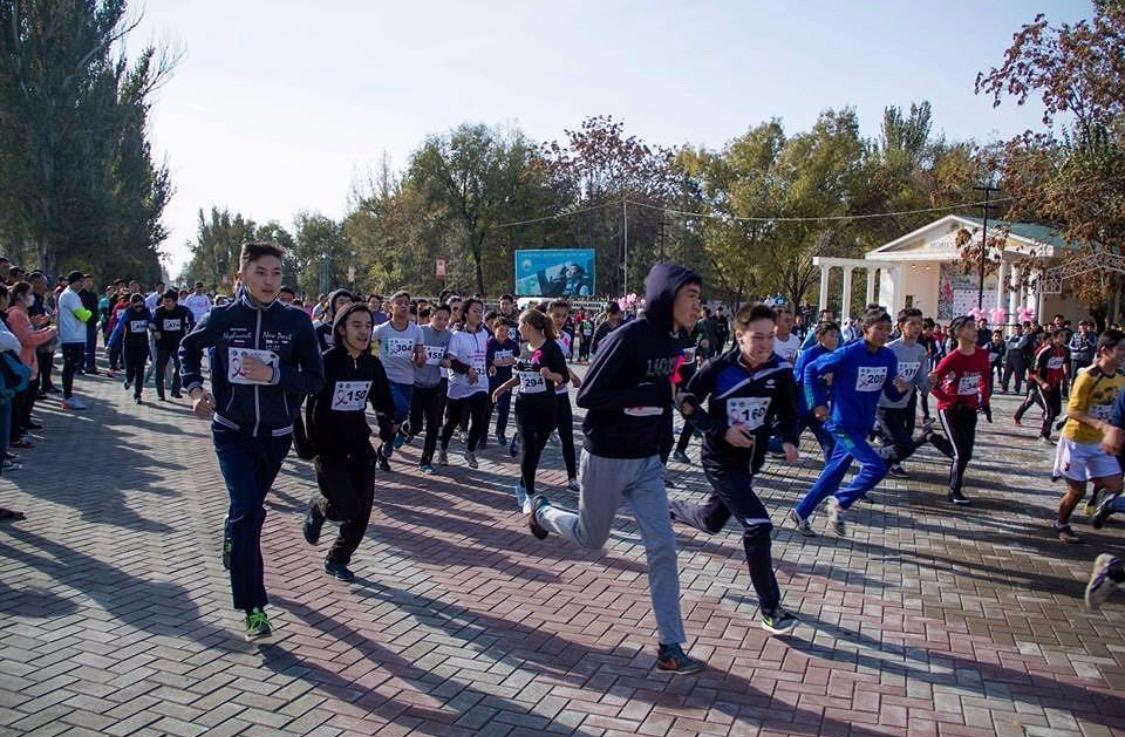
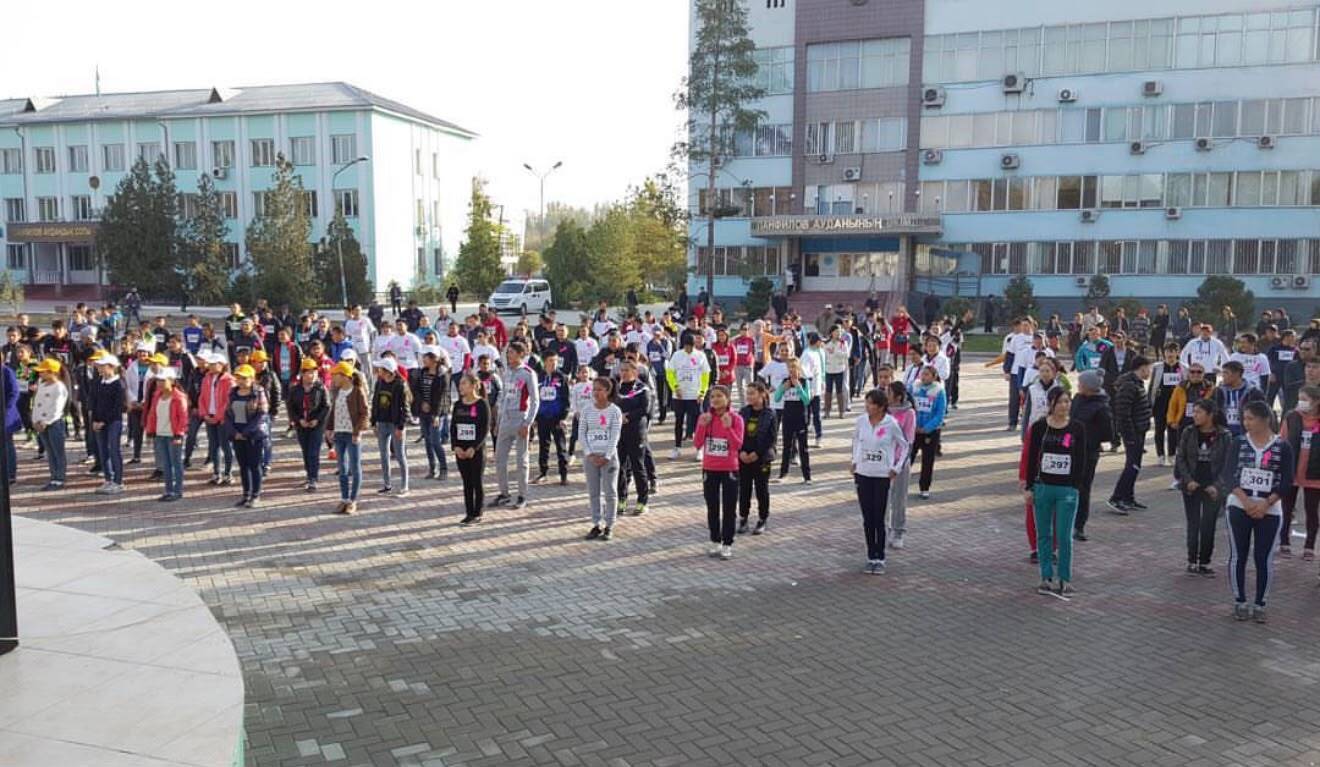
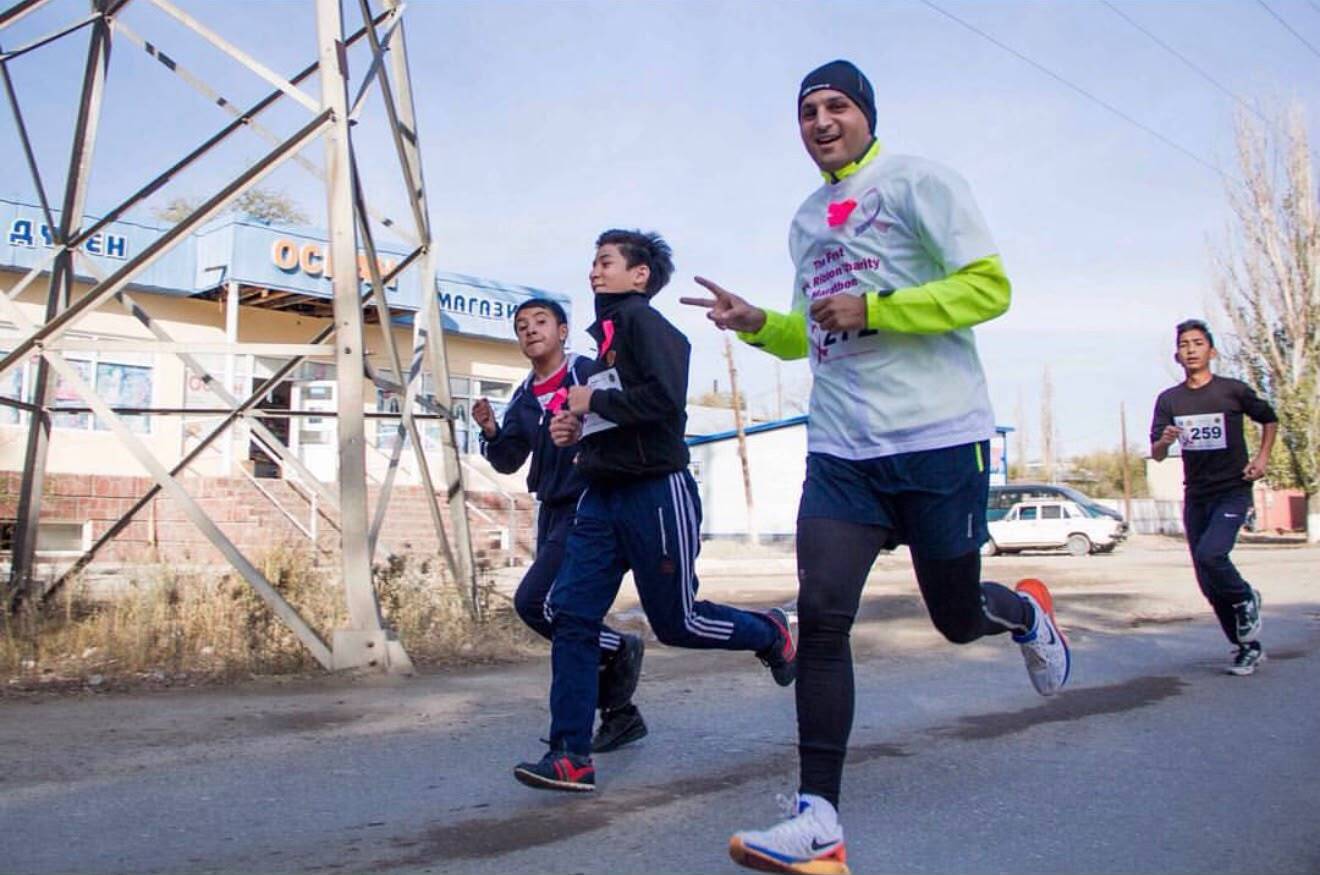
In 2015, I organized Zharkent's first charity run, with more than 100 participants, to raise funds for medical diagnostics for women in the city. The initiative connected the organization, local residents and a concrete community health need.
My role: Project and communications lead
Results: Local workforce training; 100+ charity-run participants
Focus: Community engagement, employability, women's health
At Khorgos Gateway, I learned how to operate at the intersection of corporate priorities, public institutions, international media and local communities. Communication became a leadership tool: a way to build understanding, convene stakeholders and ensure that large-scale development also created local value.
From Projects to Systems Change
In June 2016, I joined the UNESCO Cluster Office for Central Asia as Programme Officer for the Social and Human Sciences Sector, covering Kazakhstan, Kyrgyzstan, Tajikistan and Uzbekistan. Over nearly six years, I moved from individual initiatives to regional systems: designing strategies, securing budgets, building coalitions, measuring outcomes and adapting programs across different social, cultural and political contexts.
03.01Regional Program and Portfolio Leadership
Turning regional needs into fundable, measurable programs
I led the full program cycle across my portfolio: needs assessment, biennial strategy, theory of change, expected outcomes, budget planning, headquarters approval, implementation, monitoring and reporting. Programs were aligned with national priorities, UNESCO's mandate and the 2030 Sustainable Development Goals.
Across three biennia, I managed approximately US$300,000 in regular-program budgets and secured an additional US$50,000 in extrabudgetary funding for youth development and peacebuilding in Kazakhstan. With a small team, I simultaneously managed dozens of projects and partnerships.
My role: Regional programme lead
Scale: Four Central Asian countries; dozens of concurrent initiatives
Resources: Approx. US$300K implemented plus US$50K secured
03.02CAYSPACE: Central Asian Youth Space
Creating one regional gateway to opportunity
I created CAYSPACE, a Central Asian youth network that connected more than 2,000 young people across the region with free UNESCO activities, learning opportunities and pathways to internships within UN agencies.
I brought multiple UN agencies together around a shared access point for youth. The network later developed into a free learning platform offering more than 20 educational tracks, with certificates designed to support further study and career development.
The program also featured hackathons, innovation-thinking forums and opportunities for young founders to connect with stakeholders and potential investors.
My role: Founder and program lead
Results: 2,000+ youth; 20+ learning tracks; regional UN collaboration
03.03Youth Peacebuilding and Social Norm Change
Placing young people's voices inside policy conversations
I designed regional initiatives on intercultural dialogue, peacebuilding and the prevention of violent extremism. These included international forums, online and offline dialogues, training programs and youth-led recommendations for policymakers.
To influence public attitudes, I worked with influencers, bloggers, celebrities and media partners across Central Asia. Campaigns and audiovisual content promoted tolerance, cultural respect and non-stigmatizing narratives. Initiatives included the social-media campaign Be Tolerant, developed around the International Day for Tolerance.
My role: Strategy, partnerships and implementation lead
Focus: Peacebuilding, prevention, youth participation, narrative change
03.04Qyz4Tabys
A seven-day capability school for girls from rural Zharkent
I designed and delivered Qyz4Tabys, a seven-day school for 25 girls in Zharkent. I brought trainers to the city and created a multidisciplinary curriculum covering entrepreneurship, financial literacy, project planning, career readiness, human resources, media and marketing.
The project responded to the narrower access to networks, training and professional role models often experienced by girls in rural areas. It combined practical skills with confidence, exposure and peer connection.
My role: Program creator and lead
Result: 25 participants equipped with new professional skills across a seven-day intensive program
03.05Research-Based Programming During COVID-19
Using evidence to redesign support for young people
During the COVID-19 pandemic, I initiated and helped edit and review a regional study on the pandemic's impact on young people in Central Asia. The purpose was practical: to move beyond assumptions and use evidence to shape future programs, priorities and recommendations.
This work strengthened the link between research, program design and policy dialogue across my portfolio.
My role: Initiator, reviewer and editor
Focus: Youth needs assessment, evidence-based programming, policy recommendations
03.06Safeguarding, Inclusion and Human Dignity
Embedding protection and inclusion across programs
As the office focal point on the prevention of sexual exploitation and abuse, I supported safeguarding awareness and responsible program practice. My wider portfolio consistently centered vulnerable and underserved groups.
This included training-of-trainers initiatives for volunteers working with orphanages, crisis centres and autistic people; educational materials for children with disabilities; support for blind football with FC Kairat; joint anti-stigma campaigns concerning people living with HIV with UNAIDS; and capacity development for youth resource centres.
Through UNESCO's Sport for Sustainable Development work, I collaborated with Kazakhstan's National Olympic Committee and Ministry of Sport on policy for quality physical education in schools. I also supported career transition for elite women athletes after retirement, helping participants build skills for life beyond professional sport.
My role: Focal point, program designer and partnership lead
Focus: Safeguarding, disability inclusion, anti-stigma, sport policy, women's transition
UNESCO training certificates (5)
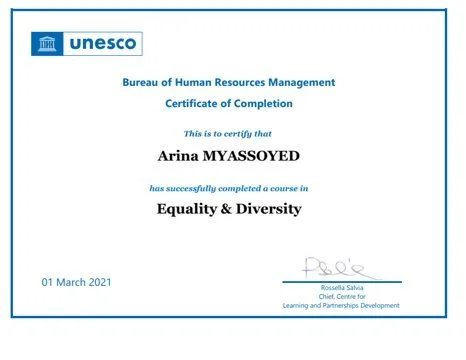 Course certificate
UNESCO — Equality & Diversity, 2021
Open document ↗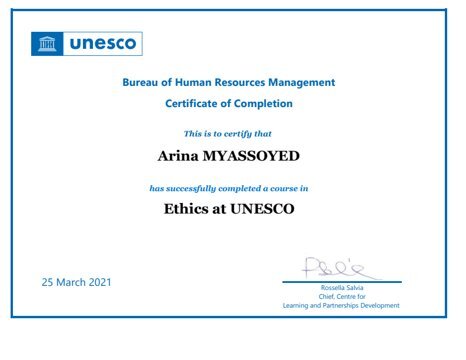 Course certificate
UNESCO — Ethics at UNESCO, 2021
Open document ↗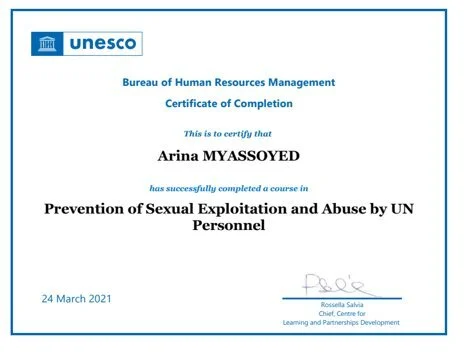 Course certificate
UNESCO — Prevention of Sexual Exploitation and Abuse by UN Personnel, 2021
Open document ↗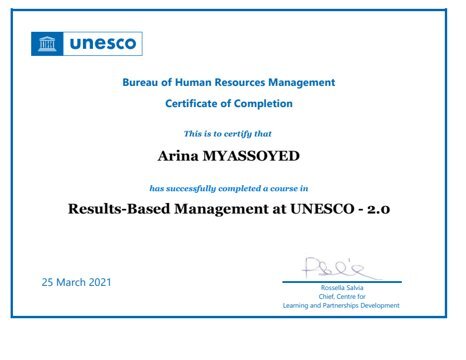 Course certificate
UNESCO — Results-Based Management at UNESCO — 2.0, 2021
Open document ↗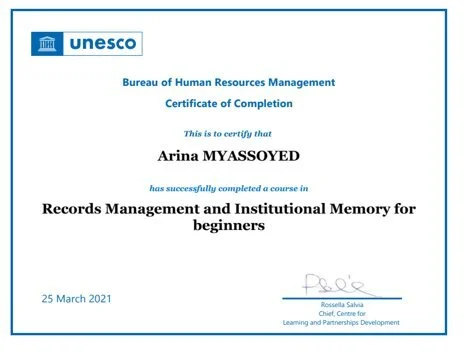 Course certificate
UNESCO — Records Management and Institutional Memory, 2021
Open document ↗UNESCO taught me to connect human dignity with systems: policy, education, media, institutions, budgets and measurable outcomes. It also left me with a deeper question — why do people sometimes remain unable to act even when new opportunities become available?
Understanding the Science of Behavior
After leaving UNESCO in March 2022, I chose to study neuroscience and the mechanisms behind decision-making, stress, emotion, habit and change. This was not a departure from social impact. It was an effort to understand more deeply what happens between an opportunity being created and a person being able to use it.
My education in politics and sociology gave me a foundation for understanding institutions, inequality and the social conditions that shape people's lives. Management training added a practical perspective on turning ideas into organized programs — a perspective I brought to regional work at UNESCO.
Studying neuroscience helped me look more closely at what happens within those systems: how people process information, respond to stress, learn and make decisions. Neuropsychology and cognitive behavioral training deepened my understanding of the cognitive patterns, developmental differences and learned beliefs that can affect a person's ability to act.
Together, these perspectives connect the two sides of my work: designing opportunities at the level of institutions and communities, and understanding what people need to recognize, trust and use those opportunities. They inform how I approach education, behavior change and human agency today.
Explore my education & qualifications
Neuroscience and behavioral learning · 2023
HarvardX — Fundamentals of Neuroscience, Part 3: The Brain. Verified online course certificate, 2023.
Hebrew University of Jerusalem — Synapses, Neurons and Brains. Online non-credit course certificate, 2023.
University of Michigan — The Science of Success: What Researchers Know that You Should Know. Online non-credit course certificate, 2023.
Brain Academy — Brain Coach Certification. Twelve-week online certification program, completed in December 2023.
Professional retraining and continuing development · 2024–2026
NIIDPO — National Research Institute of Further Education and Vocational Training — Professional retraining in child neuropsychology, including assessment and correction of higher mental functions in children; qualification: Neuropsychologist, 2024.
Institute of Human Development — Mind Fitness, a continuing professional development program, 128 academic hours, 2024.
Moscow Institute of Psychology — Professional retraining diploma in Child Neuropsychology, completed in January 2025.
SMART Institute — Professional retraining diploma in Cognitive Behavioral Therapy, 750 hours, 2026.
Earlier academic and management education
University of Greenwich — BA (Hons) in Politics, Upper Second Class (2:1), 2012.
Russian State Social University — Master's degree in Sociology, 2014.
Moscow Business School — Professional retraining diploma in Business Administration (MBA), specializing in Education Management, 1,900 hours, 2020.
Diplomas, courses & conference certificates (18)
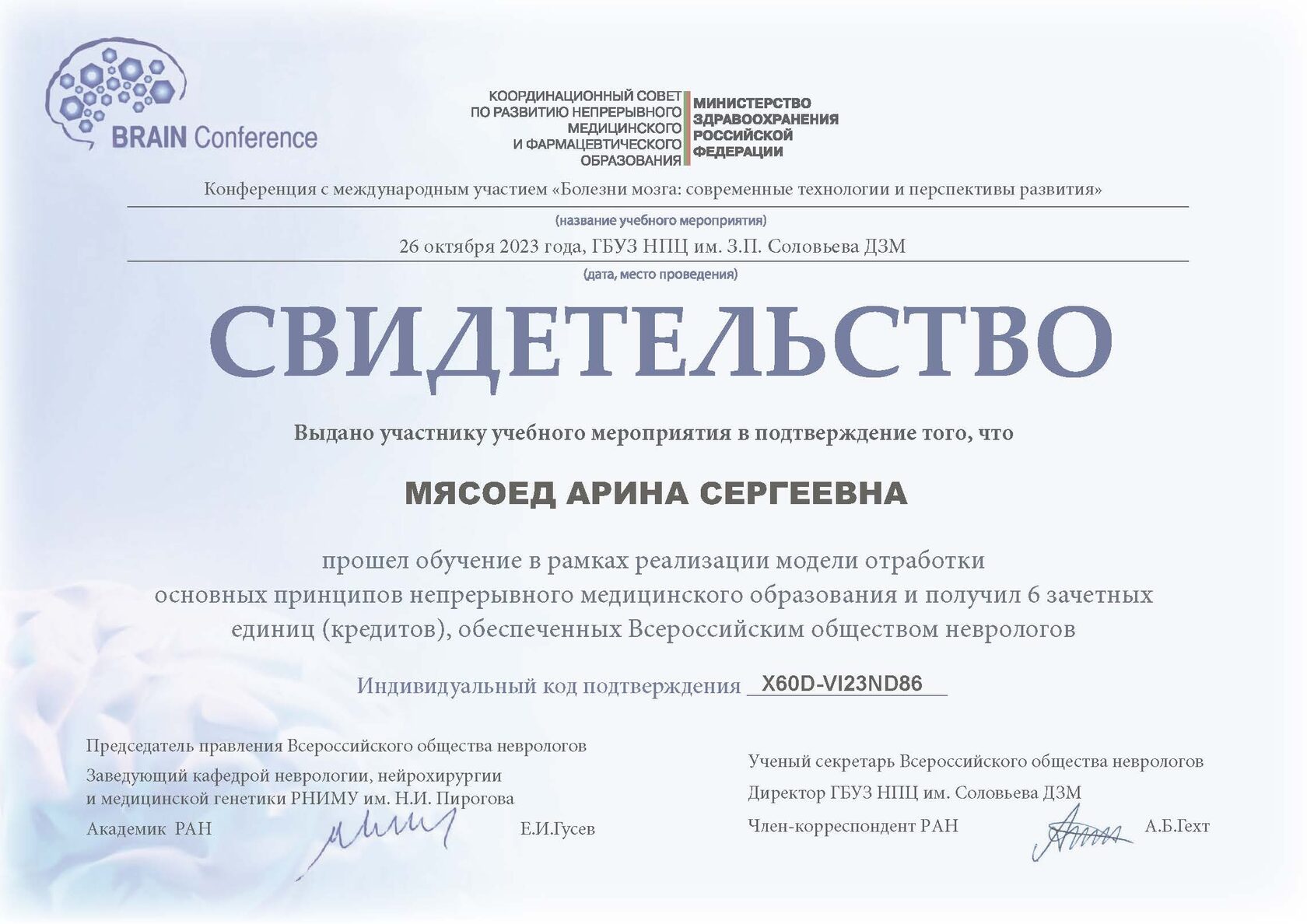 Conference participation
Brain Conference — 26 October 2023
Open document ↗ Conference participation
Brain Conference — 27 October 2023
Open document ↗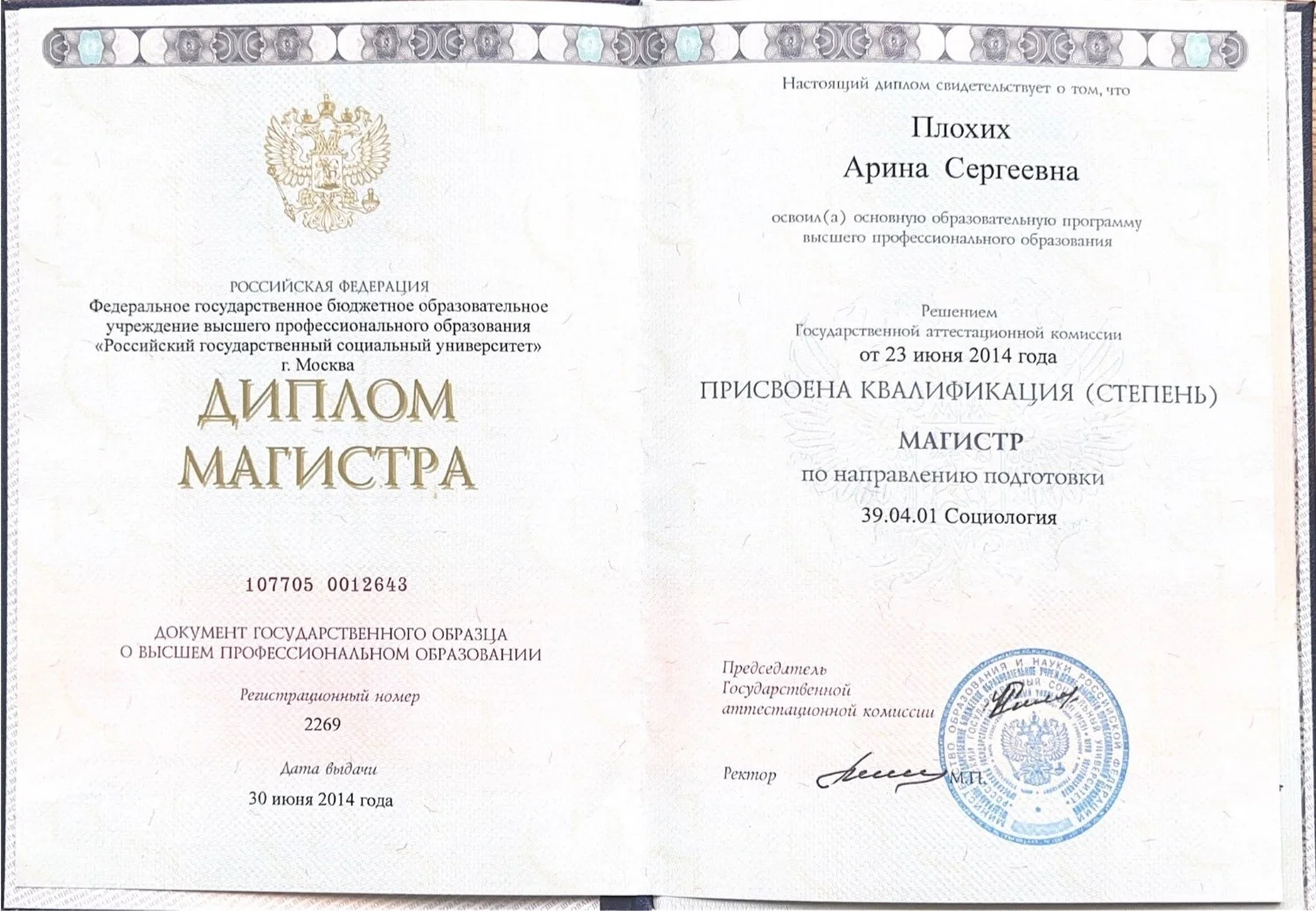 Master’s diploma
Russian State Social University — Sociology, 2014
Open document ↗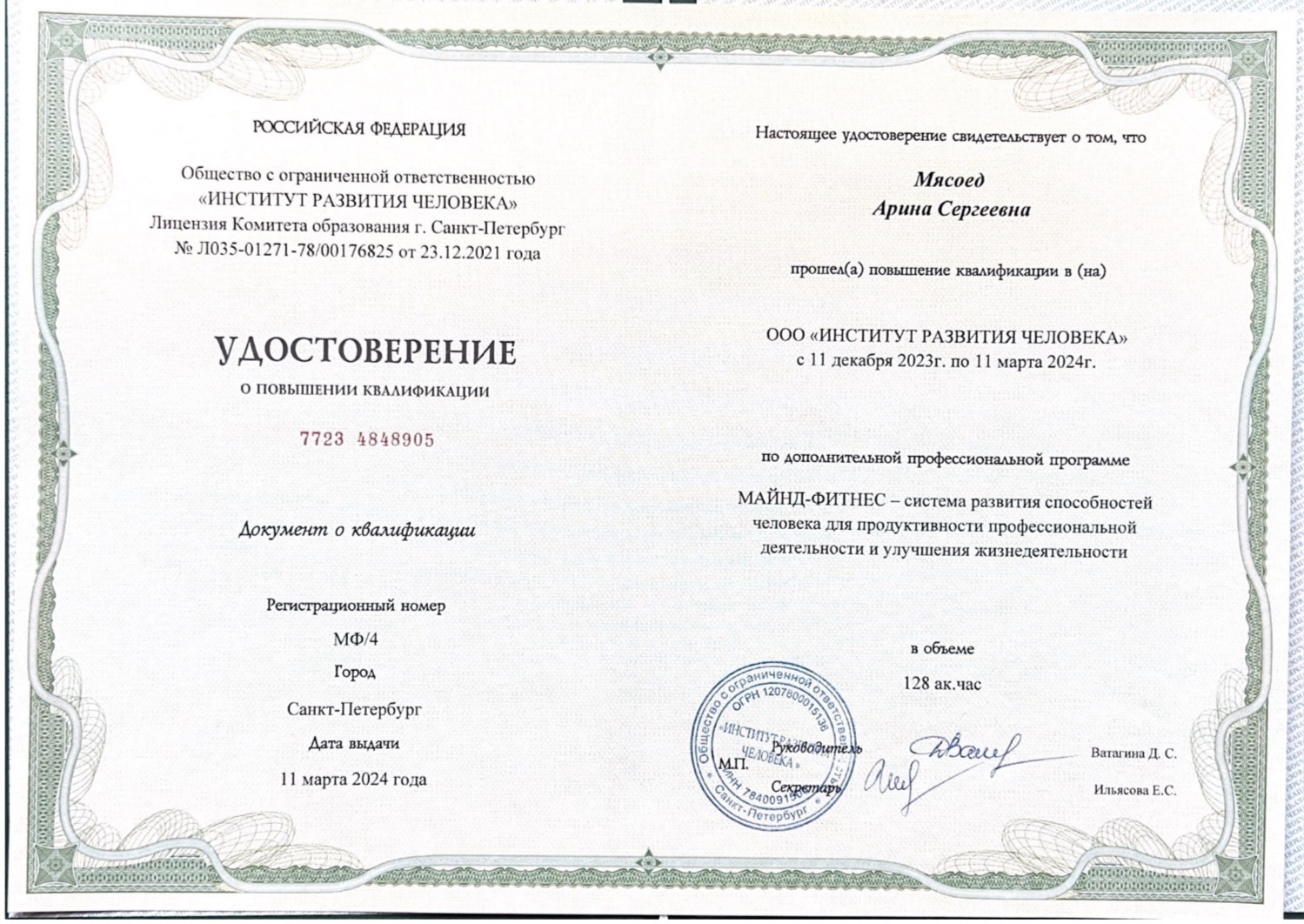 Continuing professional development
Institute of Human Development — Mind Fitness, 2024
Open document ↗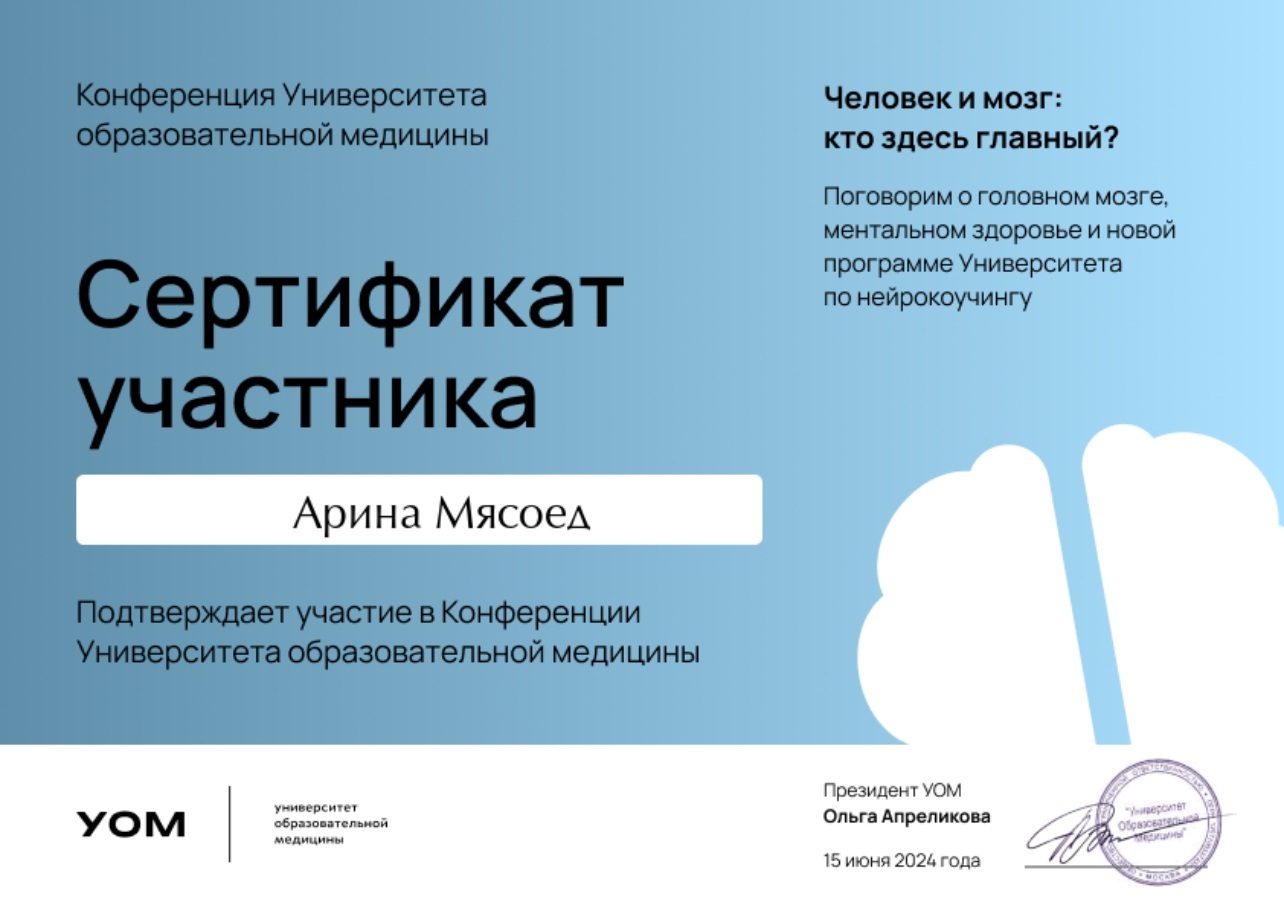 Conference participation
University of Educational Medicine — Human and Brain, 2024
Open document ↗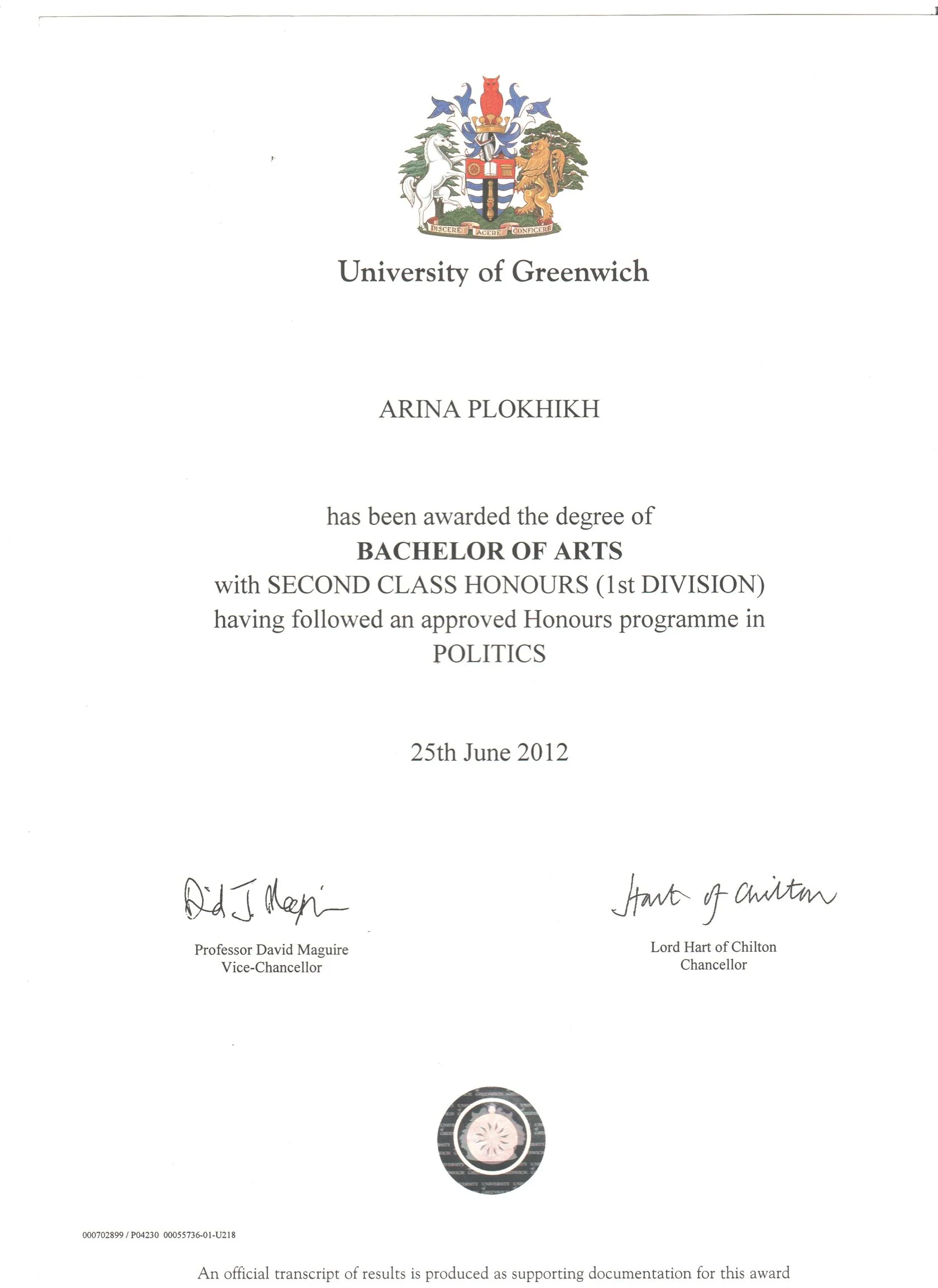 BA (Hons) diploma
University of Greenwich — Politics, 2012
Open document ↗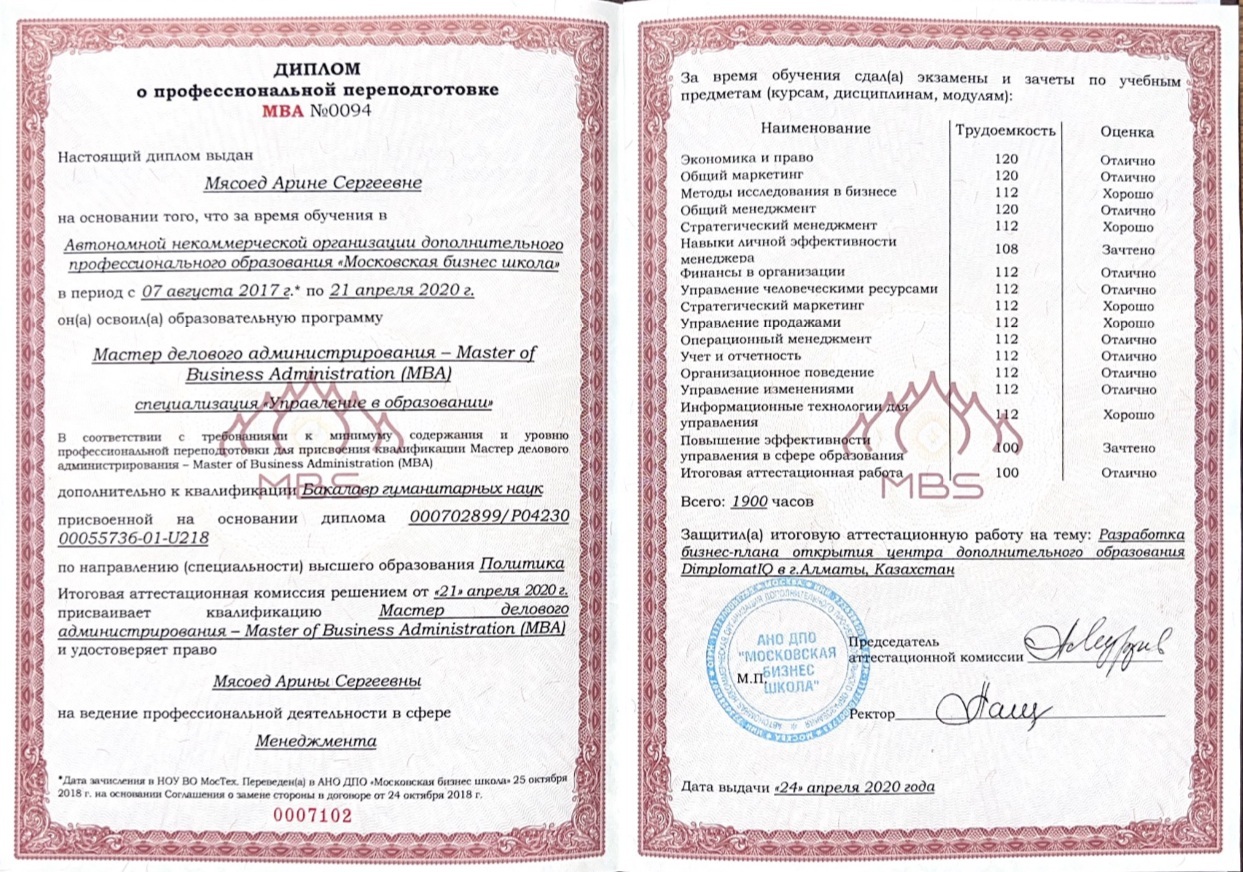 Professional retraining diploma
Moscow Business School — MBA, 2020
Open document ↗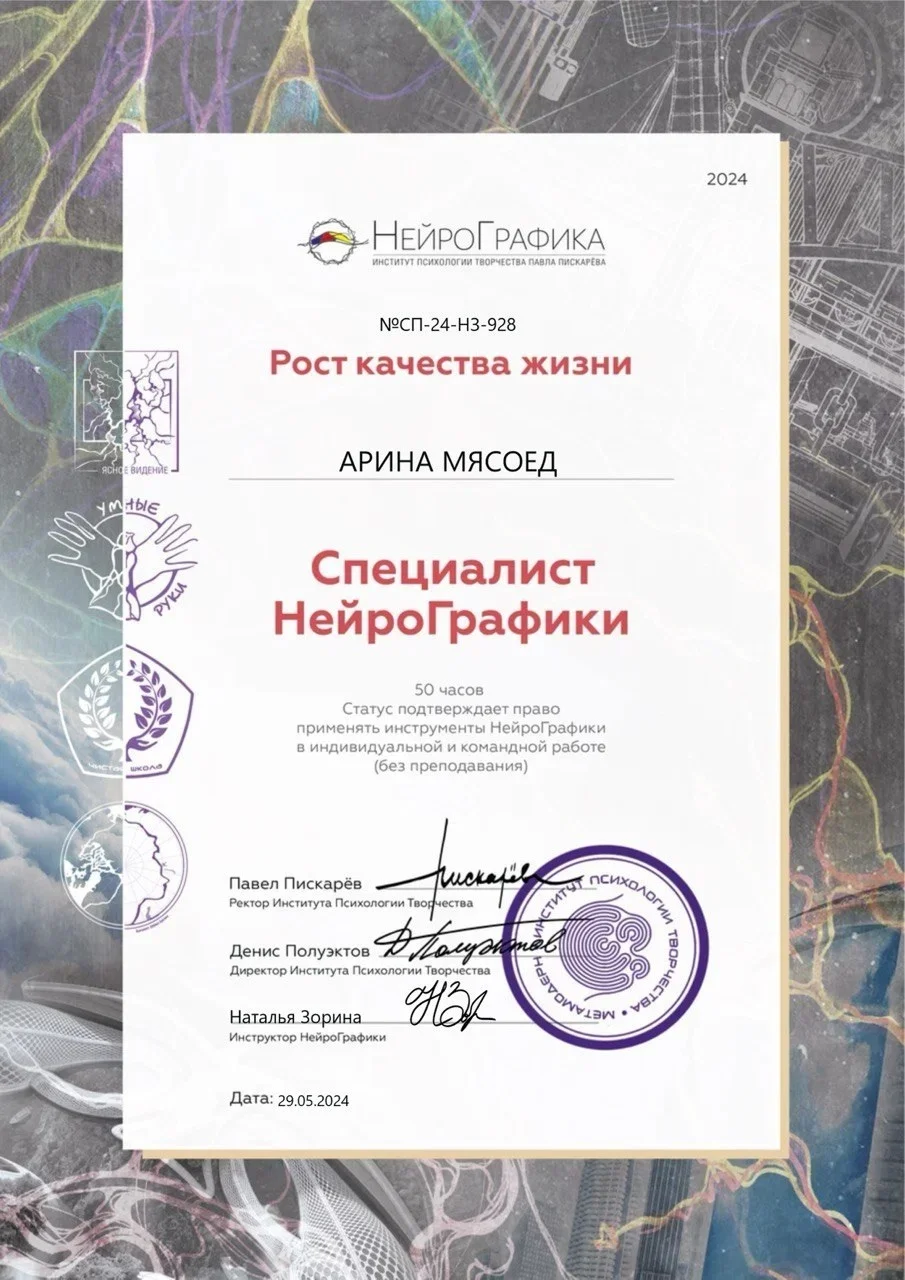 Training certificate
NeuroGraphica — Specialist, 2024
Open document ↗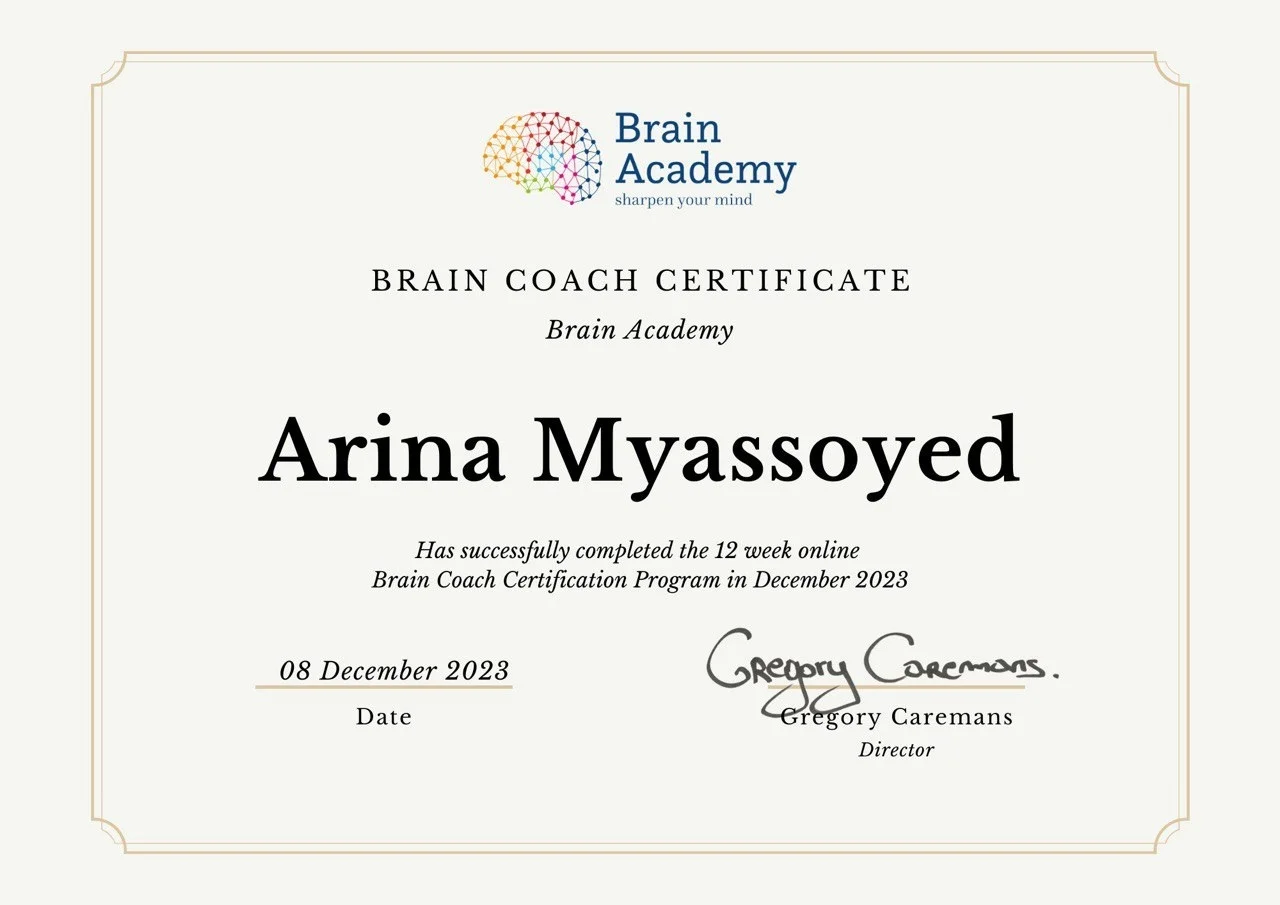 Course certificate
Brain Academy — Brain Coach, 2023
Open document ↗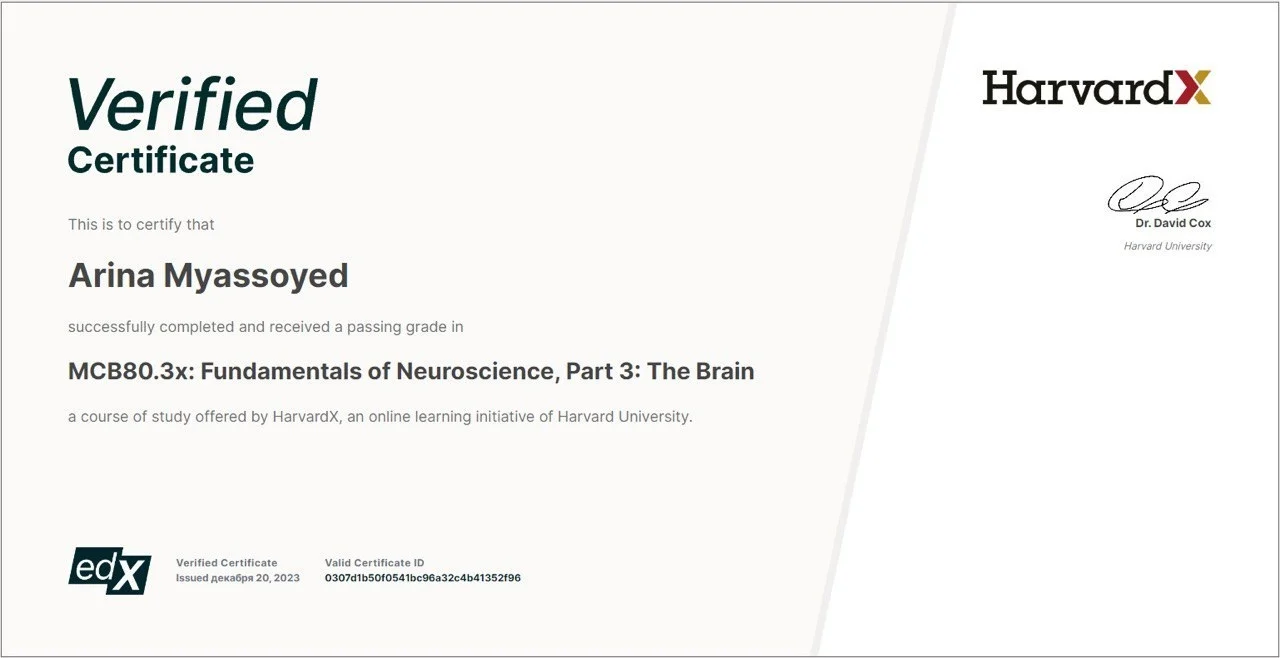 Online course certificate
HarvardX — Fundamentals of Neuroscience, Part 3, 2023
Open document ↗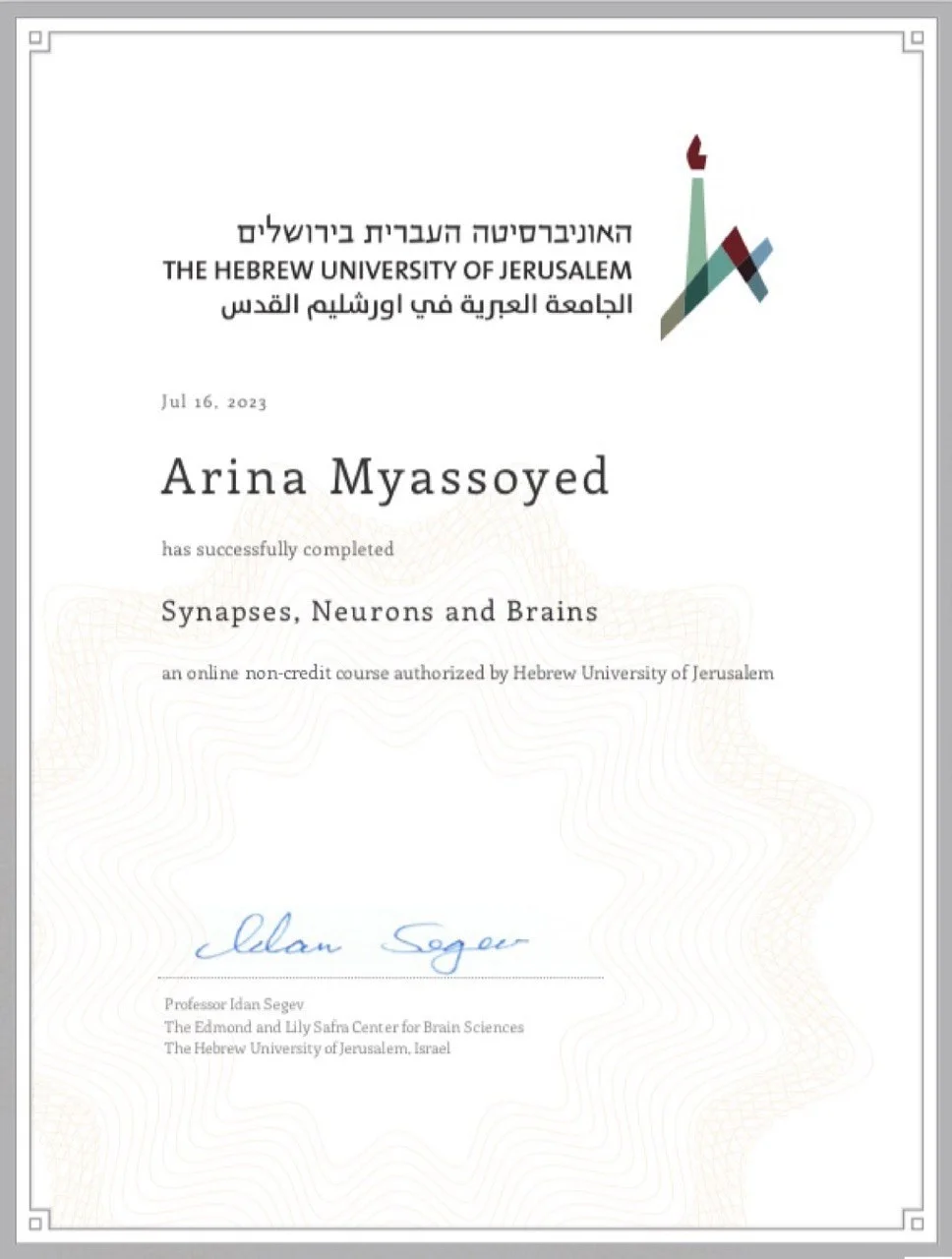 Online course certificate
Hebrew University of Jerusalem — Synapses, Neurons and Brains, 2023
Open document ↗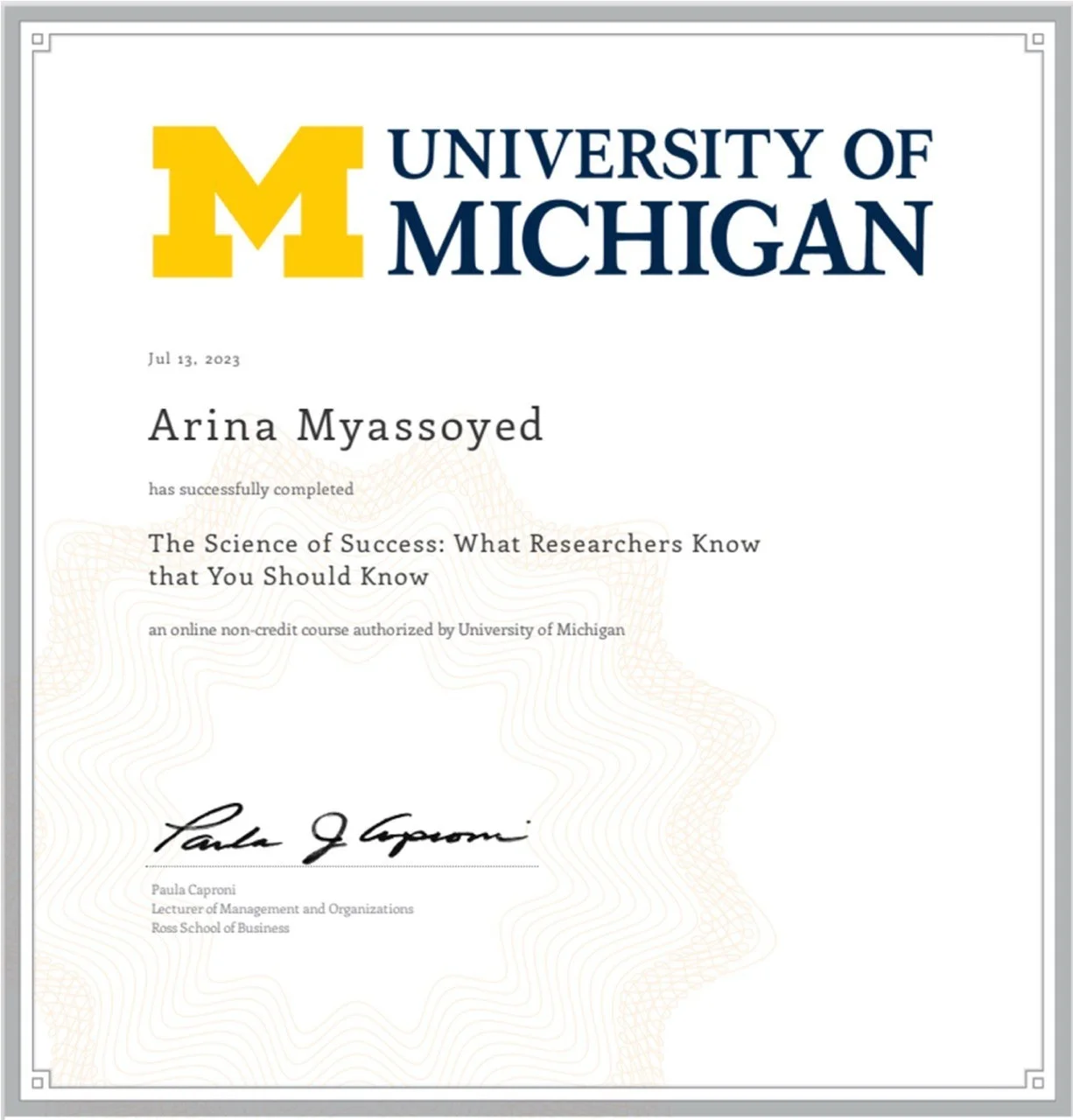 Online course certificate
University of Michigan — The Science of Success, 2023
Open document ↗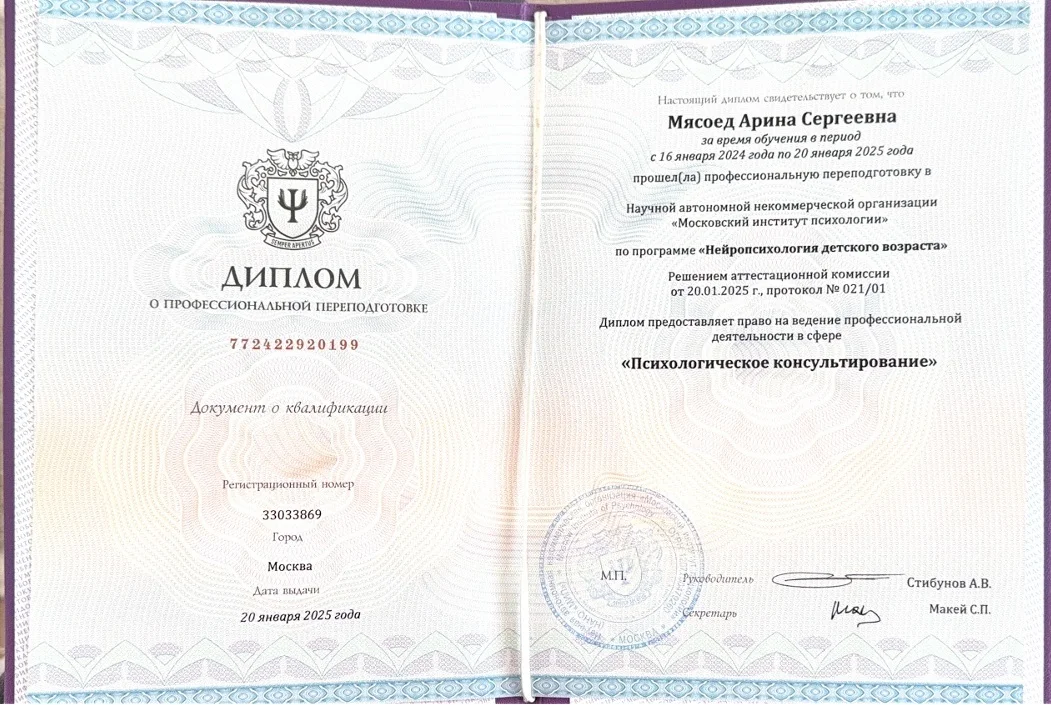 Professional retraining diploma
Moscow Institute of Psychology — Child Neuropsychology, 2025
Open document ↗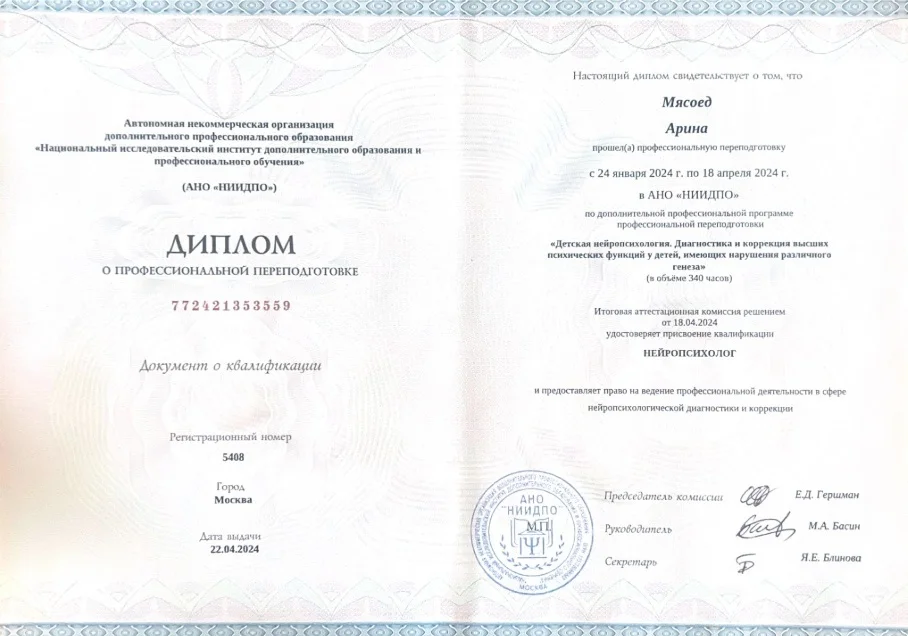 Professional retraining diploma
NIIDPO — Child Neuropsychology, 2024
Open document ↗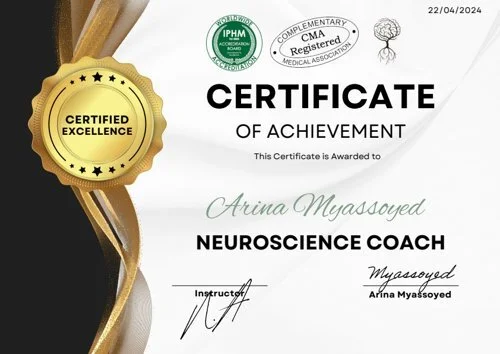 Certificate of achievement
Neuroscience Coach — 2024
Open document ↗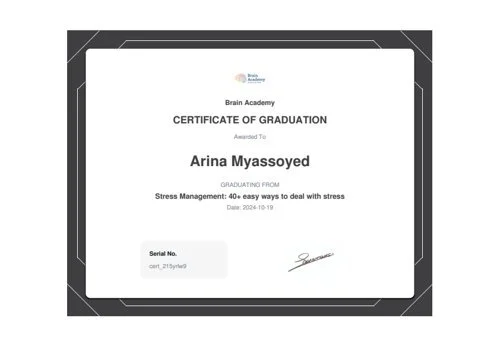 Course certificate
Brain Academy — Stress Management, 2024
Open document ↗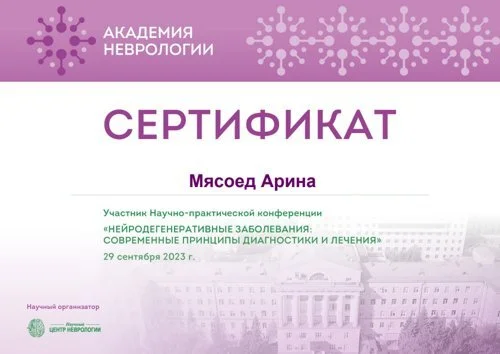 Conference participation
Academy of Neurology — Neurodegenerative Diseases, 2023
Open document ↗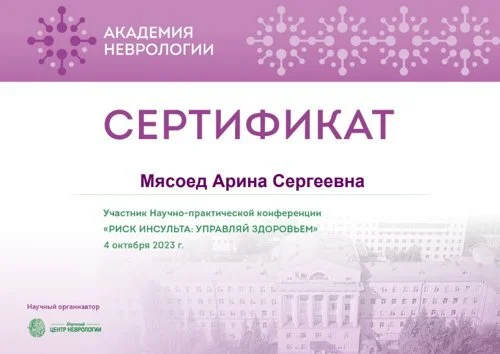 Conference participation
Academy of Neurology — Stroke Risk, 2023
Open document ↗From Opportunity to Agency
For nearly six years at UNESCO, a significant part of my work was about creating opportunities for people who did not have equal access to them: education, skills, networks, platforms, internships, public visibility and a voice in decisions that affected their lives.
But over time I noticed something important. People did not always use the choices we worked so hard to create.
Sometimes the barrier was not the absence of an opportunity. It was fear, a learned belief, a lack of trust, a cultural norm, the effects of past experience or the conviction that this opportunity was “not for someone like me.”
I began to understand that providing a choice and being psychologically able to make that choice are not the same thing.
That realization led me to a new question:
What happens between opportunity and action?
My transition from UNESCO to neuroscience was not a move away from social impact. It was an attempt to go deeper into the mechanisms that make social impact possible.
People need environments that give them a fair choice. But they also need the internal capacity to recognize that choice, trust it and act on it.
05.01Behavioral Science in Practice
Helping people understand the mechanisms behind their choices
I began private practice in 2023, working at the intersection of neuroscience, cognitive behavioral approaches, education and practical behavior change. My work translates complex knowledge about the brain into tools people can apply to decision-making, emotional regulation, resilience and personal agency.
In February 2026, after returning from Moscow, I opened MENTALINK as one branch of this broader practice. Women who have experienced violence can access support at the studio free of charge.
My role: Founder, practitioner and educator
Focus: Neuroscience, behavior change, agency, accessible support
05.02Making Neuroscience Accessible
Free education for more informed and self-directed choices
I publish free YouTube lectures, courses and educational content — including Brain4Boost — to make neuroscience understandable beyond academic and clinical settings.
The purpose is not simply to share information. It is to help people understand their instincts, emotions and habitual reactions so they can make more conscious, informed and fair choices in their own lives.
This is where my work in behavioral science connects directly with my earlier social-impact experience: expanding external opportunity while strengthening the internal agency required to use it.
My role: Educator and public communicator
05.03Every Voice in Science at Be Woman Asia 2026
Turning a panel into a regional agenda for women in science
Invited by Be Woman Asia founder Zhanna Kan, I am curating and moderating the panel “Every Voice in Science: Women Shaping Central Asia's Scientific Future” on 15 October 2026.
The session is designed to move beyond visibility alone. Its intended outcome is a concise regional manifesto containing three to five policy priorities, responsible actors, practical indicators, supporting evidence and a six-to-twelve-month follow-up pathway.
The guiding proposition is:
Central Asia does not need to prove it has talented women. It needs to create the conditions for their major discoveries to happen here.
My role: Curator and moderator
Focus: Women's voice in science, policy priorities, regional follow-through
Today, I connect two levels of change that are too often treated separately: the systems that shape people's choices and the internal mechanisms that determine whether those choices feel possible. That combination is central to how I would approach violence prevention and healthy relationships.
What I Bring to a Global Non-Violence Program
Violence cannot be reduced through awareness alone. Sustainable change requires coordinated work across research, behavior, public narratives, education, policy, safeguarding, partnerships and long-term measurement.
I bring experience across each of these levels — and the ability to connect them into one coherent program.
01Strategy That Moves into Execution
+
I can translate a bold mission into a practical program architecture: needs assessment, theory of change, priorities, workstreams, budgets, timelines, KPIs, governance, risk management and reporting. At UNESCO, I led this full cycle across a four-country regional mandate and dozens of concurrent initiatives.
02Behavioral Change Beyond Awareness
+
My background in neuroscience and cognitive behavioral approaches adds depth to social-norm programming. I would design interventions around the mechanisms that influence behavior: perceived safety, social proof, learned beliefs, identity, emotional regulation, trust and the gap between knowing and acting.
03Media and Narrative Strategy
+
I have built public campaigns with journalists, influencers, celebrities, cultural leaders and international media. I understand how to make sensitive issues visible without sensationalizing them, and how to use stories, art, film and digital content to open dialogue while protecting human dignity.
04Coalitions Across Sectors and Cultures
+
I have convened governments, UN agencies, civil society, businesses, academics, youth networks, sports institutions, media and community actors. I can create a shared table for stakeholders who use different languages, incentives and definitions of success.
05Policy Engagement Grounded in People's Experience
+
My UNESCO work connected youth and vulnerable groups with policymakers and translated lived experience into recommendations. I can help ensure that advocacy and legislative proposals are informed by the people most affected, while remaining credible and usable for institutions.
06Research, Measurement and Learning
+
I bring advanced research skills and experience initiating, reviewing and applying regional studies. I would establish a monitoring system that measures not only reach, but shifts in attitudes, perceived norms, help-seeking, institutional practice and other meaningful indicators of long-term change.
07Safeguarding and Responsible Engagement
+
As a former focal point on the prevention of sexual exploitation and abuse, I understand that a non-violence program must be safe in how it communicates, collects stories, selects partners and engages survivors. Protection, informed consent, confidentiality and referral pathways must be embedded from the beginning.
08International Scaling with Local Relevance
+
Having designed and adapted programs across Kazakhstan, Kyrgyzstan, Tajikistan and Uzbekistan, I know that scaling is not copying. A global model needs a stable core, local evidence, cultural fluency, trusted partners and room for adaptation to different policy and community contexts.
How I Would Approach the Program
01Listen and Understand
+
Map lived experience, existing services, cultural narratives, institutional gaps and country-specific risk factors — with survivor safety and participation at the centre.
02Define the Change
+
Build a clear theory of change linking healthy relationships, fair choices and non-violence to observable behaviors, institutional practices and long-term outcomes.
03Build the Coalition
+
Create a cross-sector partnership model involving civil society, specialists, cultural institutions, media, educators, researchers, government and people with lived experience.
04Design the Intervention
+
Combine media and storytelling with education, community practice, policy engagement, safeguarding and access to support. Awareness should lead somewhere concrete.
05Pilot and Measure
+
Test the model in a defined context using a baseline, qualitative insight and measurable indicators. Track what changes, for whom and under what conditions.
06Learn and Adapt
+
Use evidence from the pilot to improve content, partnerships, delivery, safety and measurement — including unintended effects.
07Scale Responsibly
+
Turn validated learning into a practical playbook with non-negotiable principles, adaptable modules, partner criteria, safeguards and country-readiness requirements.
Evidence, in context.
Project photographs, publications, press coverage and selected qualifications will be added to the relevant stories.
Programs & outcomes
Ubud teaching photographs are available in the first chapter. Further project materials will be added.
Press & publications
Verified articles and research links to follow.
Qualifications
23 documents available in the UNESCO and education chapters. UNESCO certificates ↗ · Education archive ↗